Bespoke vs Made-to-Measure vs Ready-to-Wear: The Real Difference
“Bespoke” may be the most misused word in luxury. It appears on hotel packages, kitchen cabinets and even sandwich menus. In tailoring, however, it has a precise meaning, and understanding it can save you a great deal of money and disappointment.
If you are deciding how to buy your next suit, the real question is bespoke vs made to measure vs ready-to-wear. Each has its place. Here is how they actually differ.
The Short Answer
- Ready-to-wear (RTW) is made in standard sizes and sold off the rail. You may alter it afterwards.
- Made-to-measure (MTM) starts from an existing pattern that is adjusted to your measurements.
- Bespoke creates a completely new pattern for your body alone, cut and largely sewn by hand, with several fittings along the way.
What Does Bespoke Really Mean?
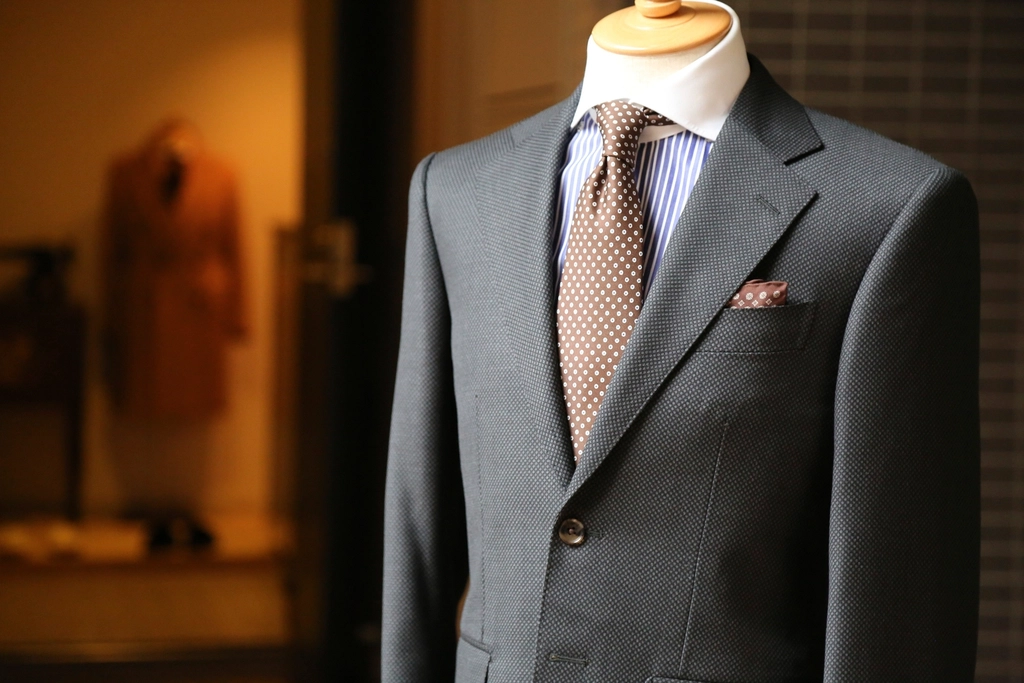
The word comes from the old tailoring phrase for cloth that had been “bespoken”, or reserved, for a particular customer. On London’s Savile Row and in the great tailoring houses of Naples, Milan and Paris, a true bespoke garment typically involves:
- A consultation about style, use, cloth and details.
- Detailed measurements and observations of posture: a dropped shoulder, a forward stance, the way you stand.
- An individual paper pattern drafted by a cutter for you alone.
- A baste fitting, where the garment is loosely tacked together so it can be taken apart and re-cut.
- Further fittings until the balance and line are right.
- Extensive handwork, from the canvas inside the chest to the buttonholes.
A bespoke suit commonly takes many weeks or months and dozens of hours of skilled work. The result fits not only your measurements but your shape, which is something no adjusted pattern can fully achieve.
Your pattern is usually kept by the tailor, so later garments become easier, and the relationship with your cutter becomes part of the value. It is craftsmanship in its purest form, and a perfect example of personalization as modern luxury.
What Is Made-to-Measure?
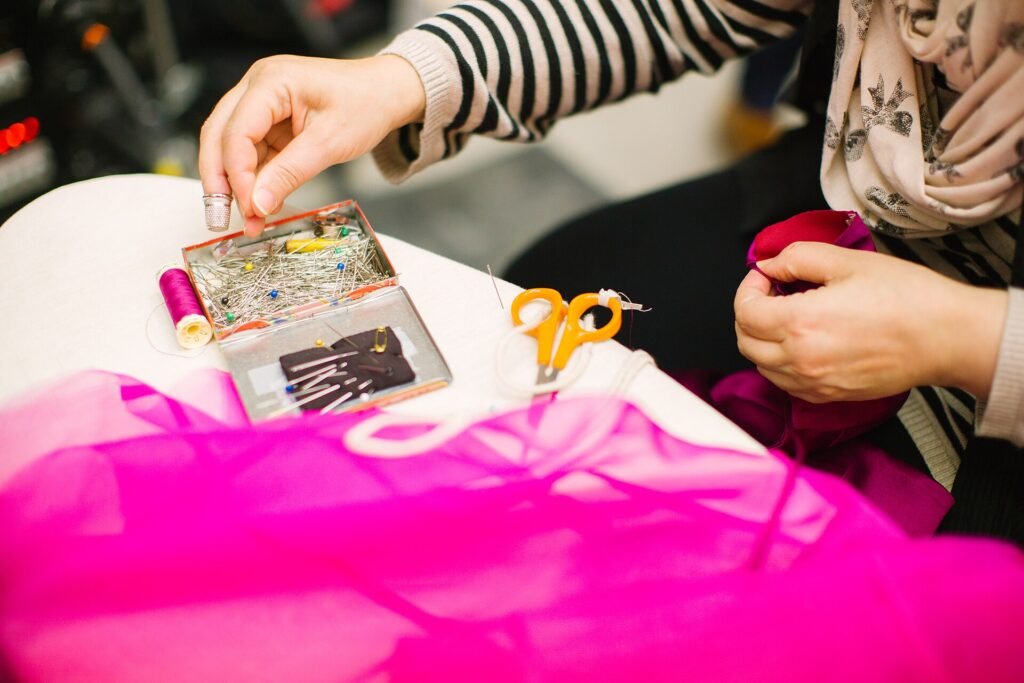
Made-to-measure begins with a block pattern the maker already has. Your measurements are taken, and that pattern is adjusted: longer sleeves, a different waist, a sloping shoulder correction. You choose the cloth, lining, lapel, buttons and other details.
The garment is then produced, often largely by machine in a factory, and usually you have one fitting at the end for final adjustments.
Good MTM can be excellent. For many people with fairly standard proportions, it delivers 80 to 90 percent of the fit benefit of bespoke at a fraction of the price and in far less time.
Be aware: some brands describe made-to-measure as “bespoke”. If there is no individual pattern and no baste fitting, it is not bespoke in the traditional sense.
What About Ready-to-Wear?
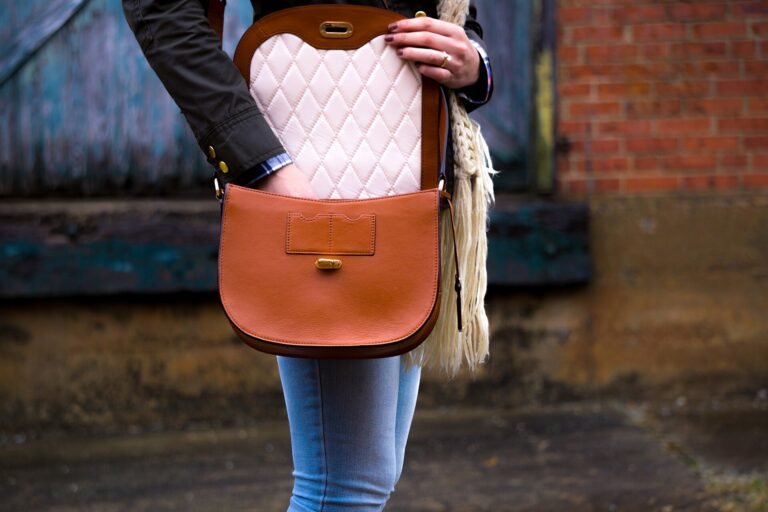
Ready-to-wear is designed for a standard body in standard sizes. Luxury ready-to-wear can use beautiful cloth and fine construction, and a skilled alterations tailor can improve the fit considerably, especially at the waist, sleeves and trouser length.
The limits are in the parts that are hard to alter: shoulders, chest balance and overall proportion. If those do not fit you off the rail, no amount of alteration will make the garment perfect.
Bespoke vs Made to Measure: Side-by-Side Comparison
| Ready-to-wear | Made-to-measure | Bespoke | |
|---|---|---|---|
| Pattern | Standard size | Existing pattern, adjusted | New pattern for you |
| Fittings | None (alterations optional) | Usually one | Several, including a baste |
| Handwork | Varies | Some | Extensive |
| Time | Immediate | A few weeks | Many weeks to months |
| Personalization | Low | Medium to high | Complete |
| Price | Lowest | Middle | Highest |
| Best for | Standard builds, quick needs | Most people wanting better fit | Hard-to-fit bodies, lifetime pieces |
How to Tell Real Bespoke From Marketing
Ask a tailor these questions:
- Will a cutter draft a new pattern just for me?
- Will there be a baste fitting?
- How many fittings should I expect?
- Is the coat fully canvassed, and how much is sewn by hand?
- Where is the work actually done?
A genuine bespoke tailor will answer these clearly and proudly.
Which Should You Choose?
Choose ready-to-wear if your body fits standard sizes well, you need something quickly, or you want a fashion piece you may not wear for decades.
Choose made-to-measure if off-the-rail clothes never quite fit, you want to choose your cloth and details, and you want great value for the fit you get. For most people, this is the sweet spot.
Choose bespoke if you have proportions that standard patterns struggle with, you want a garment for an important occasion or for a lifetime, or you value the experience and relationship as much as the result.
Bespoke Beyond Suits
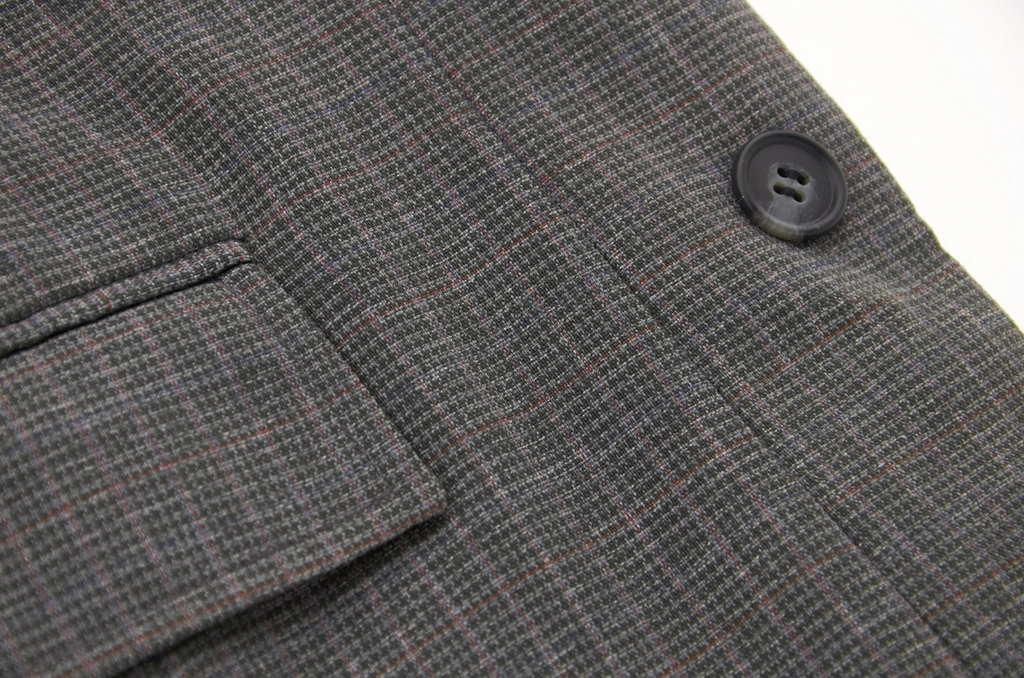
The same three-way distinction exists elsewhere in luxury:
- Shirts: made-to-measure shirts are widely available; bespoke shirtmakers draft individual patterns and often make a trial shirt first.
- Shoes: bespoke shoemaking involves a wooden last carved for your feet, often taking months for a first pair.
- Cars and watches: many luxury car makers and some watch houses offer “bespoke” programs, though these are usually highly customized versions of existing models.
Whatever the category, the questions are the same: how much of this was made specifically for me, and by whom?
Final Thoughts
Bespoke is not automatically better, and ready-to-wear is not automatically worse. They are tools for different needs. The real luxury lies in knowing which one you need, and in wearing clothes that fit your body and your life.
If you are building a wardrobe of timeless pieces, a single well-fitted made-to-measure or bespoke jacket can do more for your style than a rail full of trends.
Frequently Asked Questions
What is the difference between bespoke and made to measure?
Bespoke creates a brand-new pattern for your body with several fittings and extensive handwork. Made-to-measure adjusts an existing pattern to your measurements, usually with one fitting.
Is made to measure worth it?
For most people, yes. It offers a much better fit than off-the-rail clothing, lets you choose fabric and details, and costs far less than bespoke.
How long does a bespoke suit take?
A first bespoke suit often takes several weeks to a few months, because it involves multiple fittings and a great deal of handwork.
What does bespoke mean in fashion?
In tailoring, bespoke means a garment made from an individual pattern cut for one person, refined through fittings. The term is often used loosely elsewhere.