What Is Modern Luxury in 2026? How the Meaning of Luxury Has Completely Changed
Luxury used to be easy to recognize.
For decades, the signs were clear and almost universal. Designer logos, expensive cars, large homes, rare watches, fine jewelry, five-star hotels, and exclusive private clubs were the most visible markers of a luxurious lifestyle. If something was expensive, exclusive, and difficult to access, it was automatically considered luxury.
That definition worked for a long time. But it is no longer enough.
In 2026, the meaning of luxury is changing in a noticeable and important way. For a growing number of people, luxury is no longer only about owning the most expensive object in the room. It is increasingly about time, privacy, quality, personal experiences, craftsmanship, comfort, and the freedom to live according to one’s own values.
A quiet hotel with exceptional service can feel more luxurious than a crowded five-star resort. A carefully made watch with strong design and engineering can mean more to a collector than a watch covered in diamonds. A thoughtfully designed home with natural materials and calm proportions can feel richer than a large house filled with expensive furniture that has no emotional connection.
This shift has created a new idea: modern luxury.
What Does Modern Luxury Mean in 2026?
Modern luxury is the belief that true luxury should offer something beyond a high price tag.
It can be a product made with exceptional materials and careful attention to detail. It can be a private travel experience designed around personal interests. It can be a beautifully designed space that feels calm and intentional. It can be personalized service that removes friction from daily life. Or it can simply be the ability to enjoy time without constant pressure, noise, and distraction.
In simple terms, modern luxury prioritizes quality and meaning over display.
A luxury product may still be expensive, but its value no longer comes from price alone. Materials, craftsmanship, design, scarcity, service, history, emotional connection, and the way a product or experience fits into someone’s life all contribute to its real worth.
This is why modern luxury looks different for every person.
For one individual, luxury might mean staying in a private villa in a peaceful destination with no crowds and complete privacy. For another, it might mean owning a handmade leather bag that can last for decades and develop character over time. Someone else may consider having a quiet morning routine, a flexible work schedule, and more time with family to be the ultimate form of luxury.
The common factor in all of these examples is choice.
Modern luxury is less about proving status to others and more about creating a life that feels valuable from the inside.
How the Meaning of Luxury Has Evolved Over Time
Luxury has never been a fixed concept. What people consider luxurious has changed throughout history according to culture, technology, availability, and social values.
In earlier periods, luxury was closely connected to rarity. Rare fabrics, precious metals, large estates, fine art, and handcrafted objects were available mainly to wealthy or powerful individuals. The difficulty of obtaining these items was a major part of their value.
As manufacturing and global trade developed, luxury became increasingly associated with recognizable brands and premium consumer products. During the late 20th and early 21st centuries, luxury fashion, automobiles, watches, hotels, jewelry, and designer goods became major global industries.
Today, consumers have access to more premium products than at any previous point in history. High-quality goods can be researched, compared, and ordered online within minutes. That abundance has changed the meaning of exclusivity.
If almost anyone can see a product, read reviews, and find multiple alternatives, simply owning an expensive item no longer creates the same feeling of privilege or distinction.
This is one of the main reasons modern luxury is moving away from pure display and toward experiences, craftsmanship, personalization, privacy, authenticity, and emotional value.
The Rise of Quiet Luxury
One of the most visible examples of this shift is the growing popularity of quiet luxury.
Quiet luxury focuses on quality, fit, materials, craftsmanship, and timeless design instead of obvious logos or flashy branding. The core idea is simple: a product can look and feel expensive without trying to prove that it is expensive.
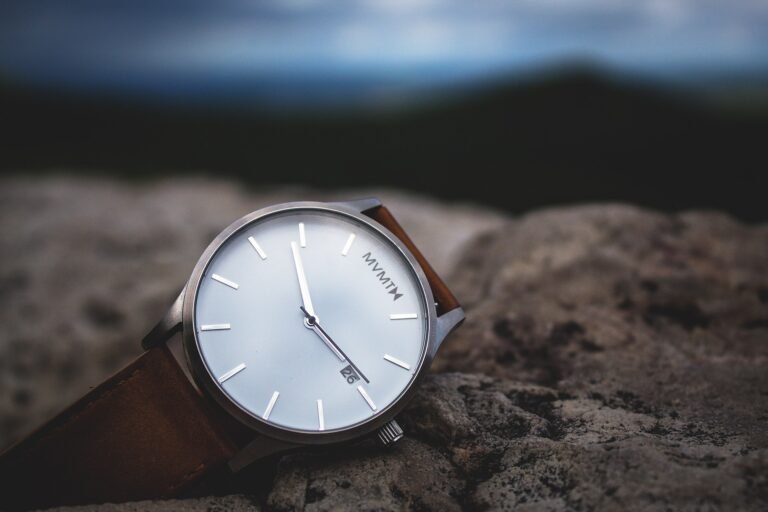
A well-cut jacket made from high-quality fabric may have no large logo at all. A beautifully designed home may use natural stone, wood, soft textiles, and carefully selected furniture instead of filling every room with decorative objects. A watch may prioritize finishing, proportion, and engineering over heavy decoration.
Quiet luxury does not mean that logos or recognizable brands have disappeared. Many people still appreciate and collect them. Instead, it reflects a wider consumer interest in products that feel subtle, lasting, refined, and considered.
The same philosophy can now be seen across fashion, interiors, travel, watches, automobiles, and hospitality. The emphasis has moved from “look how expensive this is” to “feel how well this is made.”
Experiences Are Becoming More Valuable Than Possessions
For many modern consumers, experiences are becoming more valuable than physical possessions.
A luxury experience can take many forms:
- A private dinner prepared by a chef in a meaningful location
- A personalized travel itinerary built around personal interests
- A secluded beach stay with complete privacy
- A wellness or longevity retreat focused on recovery and health
- A private cultural tour with expert guidance
- A scenic train journey through remarkable landscapes
- A tailor-made fashion appointment
- A memorable multi-generational family vacation
- A peaceful weekend away from a busy city
What makes these experiences feel luxurious is not only the cost. It is how personal, memorable, and difficult to reproduce they feel.
A standard luxury package may be expensive, but a carefully designed experience that matches an individual’s preferences often feels far more meaningful. The emotional value of a well-planned experience can last longer than the satisfaction of owning another object.
This shift is particularly clear in luxury travel. Many travelers are no longer satisfied with simply booking a five-star hotel. They want private guides, access to places that are difficult to reach, local experiences, personalized dining, wellness services, and itineraries built around their specific interests.
The hotel remains important, but it is only one part of the larger experience. The real luxury is the memory and the feeling of having lived something unique.
According to insights from Robb Report, the most sought-after luxury travel experiences in recent years have increasingly focused on privacy, personalization, and meaningful access rather than pure opulence.
Time Has Become One of the Greatest Luxuries
Modern life is extremely busy for many people.
Work demands, commuting, digital messages, appointments, social obligations, and constant notifications leave limited room for rest and presence. As a result, free time has become increasingly valuable.
Having more money does not automatically create more time. In fact, for many high-earning professionals, the opposite can be true. The ability to control one’s schedule and protect personal time is becoming one of the most meaningful forms of luxury.
This explains the growing appeal of services that reduce friction in daily life. Personal assistants, concierge services, premium delivery, private transportation, home management support, and personalized travel planning all share a common benefit: they save time and mental energy.
The customer is not only paying for the service itself. They are paying for the time, calm, and freedom that the service creates.
In 2026, time is widely recognized as one of the purest forms of modern luxury.

Privacy Is Becoming More Valuable
Another important part of modern luxury is privacy.
In a world where people are constantly connected through social media, smartphones, cameras, and digital platforms, private spaces and private experiences feel increasingly rare. Because they are rare, they have become more valuable.
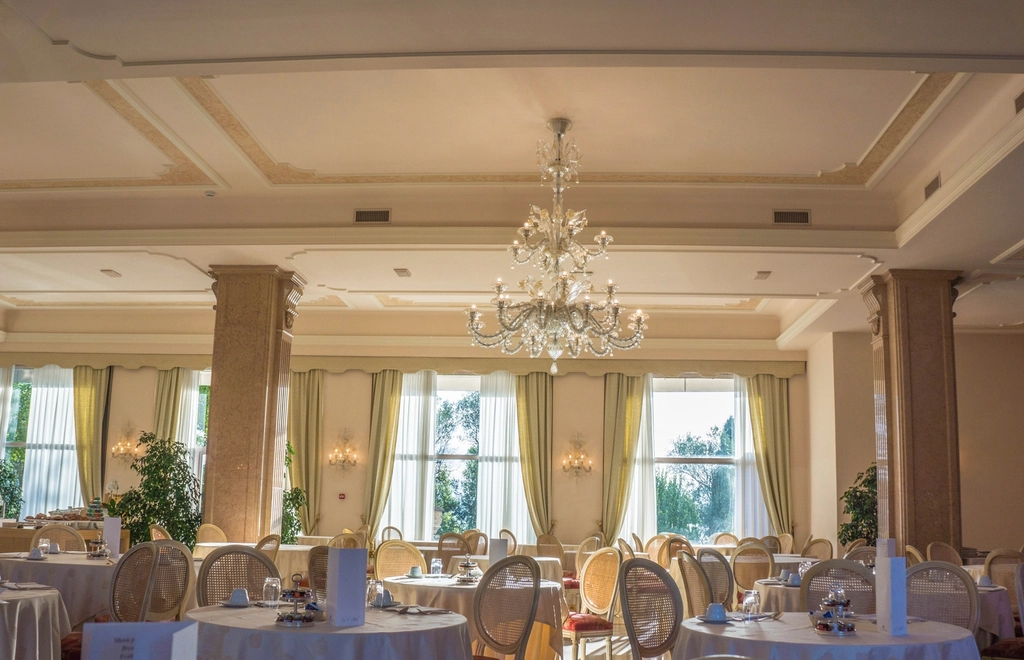
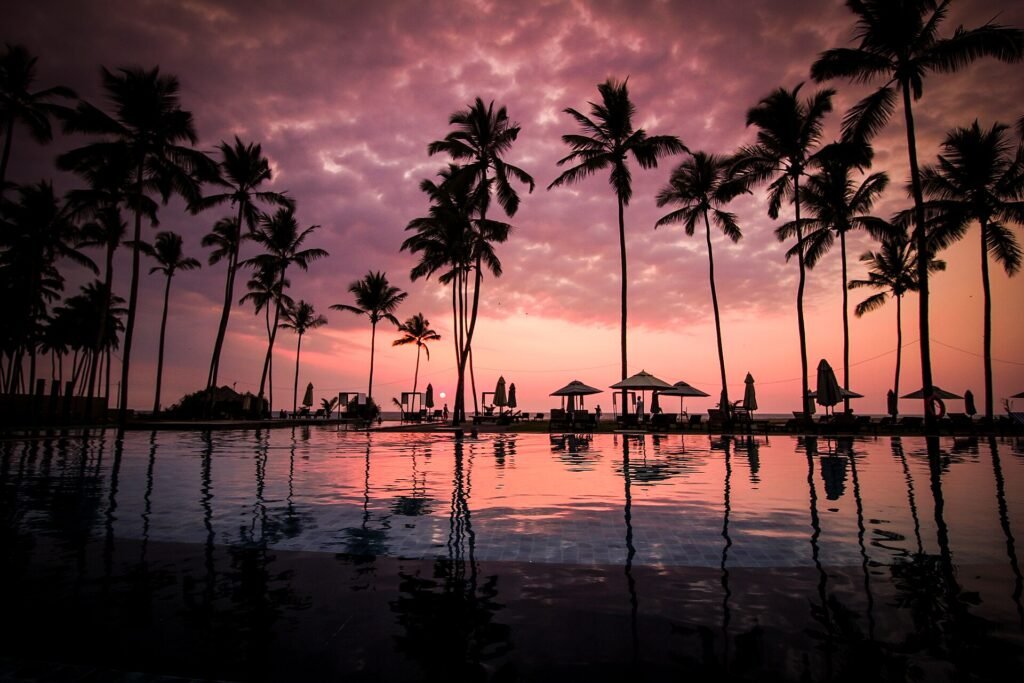
This is particularly visible in luxury travel and hospitality. Private villas, secluded resorts, private dining rooms, exclusive clubs, and highly personalized experiences offer something that money alone cannot easily create in a crowded environment: distance from everyone else.
For some luxury travelers, the most valuable feature of a hotel is not a larger lobby, more expensive furniture, or more visible branding. It is the ability to relax without feeling watched, rushed, or surrounded by crowds.
Privacy has therefore become a form of luxury in itself. The ability to disconnect, to be unobserved, and to move through an experience without constant stimulation is now a powerful part of the premium offering.
Craftsmanship Still Matters Deeply
Technology has made products easier and faster to manufacture, but craftsmanship remains one of the strongest pillars of true luxury.
A handmade or carefully finished object can carry qualities that mass-produced products struggle to reproduce. The time, skill, attention, and human judgment involved in its creation give it a different kind of presence.
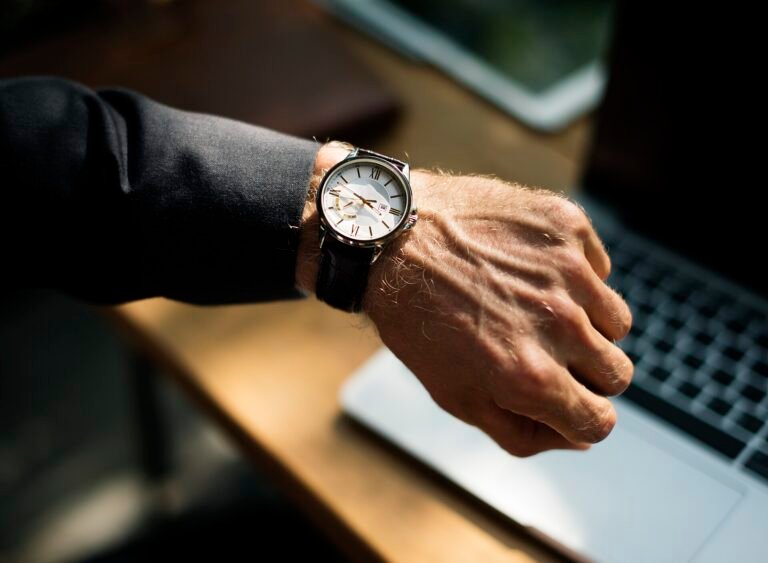
Consider a mechanical watch. Its appeal is not simply that it tells time accurately. A mechanical watch can represent engineering, craftsmanship, history, design, and long-term durability. The movement may contain hundreds of carefully finished components, and the watch itself can be designed to last for generations when properly maintained.
The same principle applies to many other categories:
- Fine leather goods
- Bespoke clothing
- Handmade furniture
- Jewelry
- Specialty automobiles
- Architectural details
- Traditional culinary products
Modern consumers may have more choices than previous generations, but that abundance can make genuine craftsmanship even more meaningful. When something takes real time and skill to create, people often attach greater emotional and lasting value to it.
Personalization Is Redefining What Exclusivity Means
Luxury used to be strongly associated with exclusivity: the idea that only a limited number of people could access a particular product or experience.
Today, exclusivity is increasingly combined with personalization.
People want products and experiences that feel designed specifically for them. A luxury hotel that remembers a guest’s preferences. A fashion brand that offers made-to-measure services. A travel company that builds an itinerary around a customer’s interests. A car manufacturer that provides extensive customization options.
Personalization changes the relationship between the customer and the product or service.
Instead of asking only “How expensive is this?”, the customer may begin asking “Was this made for me?” or “Does this experience feel like it was designed around my life?”
That difference is important. A personalized experience can feel more luxurious even when the underlying product is not dramatically more expensive. The sense of being seen and considered has become a powerful part of modern premium value.
Sustainability Is Becoming Part of the Luxury Conversation
Sustainability is also influencing the luxury market in meaningful ways.
Luxury has traditionally been associated with abundance and excess. Modern consumers, however, are increasingly interested in durability, responsible sourcing, repairability, and products that are designed to last.
This does not mean every luxury consumer makes purchasing decisions based entirely on environmental concerns. But the idea of buying fewer, better-made products has become more relevant across many categories.
A well-made coat that can be worn for many years may feel more appealing than several inexpensive pieces that quickly go out of style or fall apart. The same principle applies to furniture, watches, cars, architecture, and other premium products.
For modern luxury, longevity and thoughtful design can be more attractive than pure excess.
According to analysis from McKinsey’s State of Fashion, luxury consumers are placing growing importance on quality, emotional connection, and long-term value rather than purely logo-driven status.
Technology Has Not Replaced Luxury. It Has Changed It
At first glance, technology may seem opposite to traditional ideas of luxury. In reality, the two are becoming increasingly connected.
Smart homes, connected cars, artificial intelligence, personalized digital services, advanced health technology, and sophisticated travel platforms are creating new forms of premium experiences.
The key is how technology is used.
Technology becomes luxurious when it makes something easier, faster, more personalized, more comfortable, more secure, or more private. A smart home does not feel luxurious simply because it contains many devices. It feels luxurious when technology quietly manages lighting, temperature, security, and entertainment without creating complexity or friction.
The best luxury technology often works in the background. It removes effort rather than demanding attention.
As noted by Business of Fashion, the most successful luxury brands are those that use technology to enhance the human experience rather than replace it.
Luxury Is Becoming More Personal Than Ever
Perhaps the biggest change of all is that there is no longer one universal definition of luxury.
Luxury is becoming deeply personal.
For one person, luxury may still mean a rare watch or a high-performance car. For another, it may mean a private vacation with complete peace. For someone else, it may mean a calm, well-designed home. And for another, it may simply mean having enough time and mental space to spend with family.
This makes modern luxury broader than traditional ideas of wealth and status. It is increasingly connected with well-being, freedom, comfort, identity, and personal choice.
There is no single correct way to live a luxurious life in 2026. The definition is expanding to include whatever creates genuine value in an individual’s life.
Modern Luxury Across Different Areas of Life
In Fashion
Consumers are becoming more interested in clothing that lasts, fits well, and works across different situations. Instead of constantly chasing every new trend, many are building more carefully considered wardrobes based on strong design, high-quality materials, excellent construction, and individual expression. Read more in our guide to luxury fashion in 2026.
In Travel
Luxury travel is moving beyond the simple five-star hotel. Personalized itineraries, private transportation, local cultural experiences, wellness programs, exclusive dining, remote destinations, private villas, and longer stays are becoming central to the experience.
In Home Design
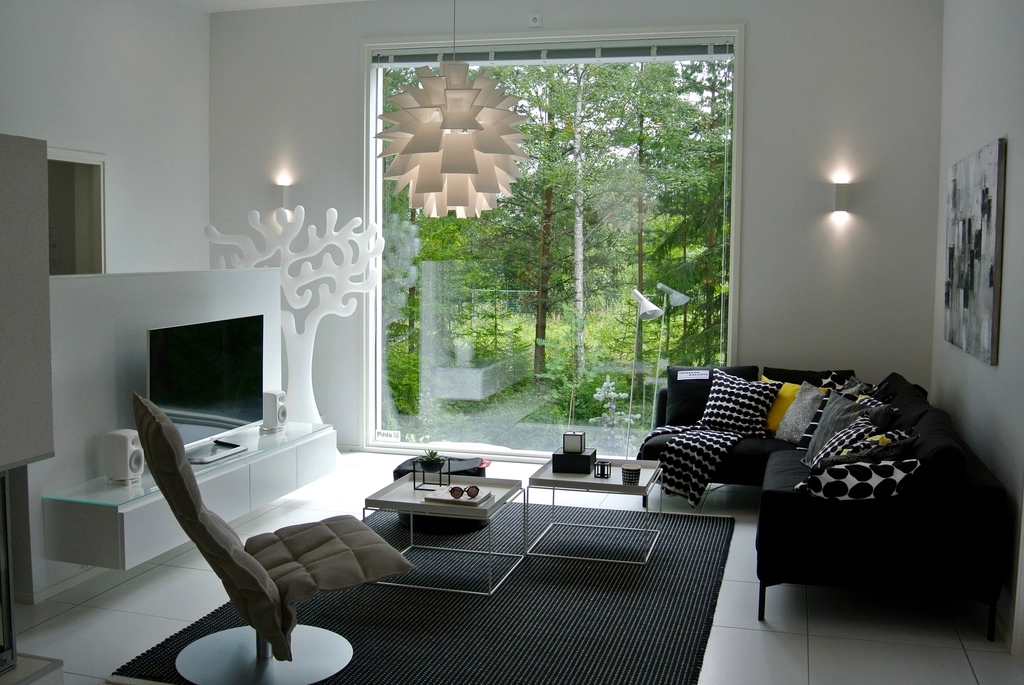
The modern luxury home focuses more on comfort, natural materials, lighting, functionality, and atmosphere. A space does not need to be filled with expensive objects to feel sophisticated. Proportion, material quality, and calm design often matter more than excess decoration.
In Automobiles
Luxury cars continue to compete on performance and materials, but comfort, design, technology, personalization, safety, and the overall experience of being inside the vehicle are becoming equally important.
What Modern Luxury Is Not
It is also useful to understand what modern luxury does not necessarily mean.
- It is not simply spending the most money possible.
- It is not buying something only because everyone recognizes the logo.
- It is not filling a home with expensive objects that have no personal meaning.
- And it is not trying to prove wealth to other people.
Luxury can still be visible, but it does not have to be. A person can live a deeply luxurious life without constantly displaying expensive possessions.
The modern definition is more flexible, more internal, and more personal.
The Future of Luxury
The luxury industry will continue to evolve as consumer priorities change. Several themes are likely to remain important in the coming years:
- Personalization: experiences and products designed around individual preferences
- Experiences: travel, dining, wellness, culture, and memorable moments
- Craftsmanship: strong design, skilled making, and long-term durability
- Privacy: exclusive spaces and the ability to disconnect
- Technology: tools that quietly improve comfort and convenience
- Sustainability: longevity, responsible materials, and thoughtful consumption
- Well-being: physical comfort, mental space, and quality of life
These forces are reshaping what people expect from premium products and experiences.
So, What Is Modern Luxury in 2026?
Modern luxury is not one specific product, brand, destination, or lifestyle.
It is a changing idea.
At its heart, modern luxury is about quality, choice, time, comfort, craftsmanship, privacy, personalization, and experiences that carry genuine meaning.
A luxurious life in 2026 does not necessarily need to look flashy or performative. It can be a beautifully made watch. A perfectly tailored jacket. A quiet hotel room with exceptional service. A thoughtfully designed home. A private dinner with people you care about. Or simply the freedom to spend your time the way you choose.
That is perhaps the biggest change in luxury today.
Luxury is becoming less about showing people what you have, and more about experiencing what truly matters to you.