Quiet Luxury in 2026: Why Timeless Style Still Matters
Luxury fashion has never been only about expensive clothes.
For decades, designer names, recognizable logos, limited collections, rare materials, and seasonal trends have played an important role in defining high-end style. But something has changed.
In recent years, more people have started looking beyond obvious branding. Instead of asking whether an outfit looks expensive, they are asking whether it looks well made, timeless, personal, and effortless.
That idea is often described as quiet luxury.
The phrase became one of fashion’s biggest talking points in the early 2020s, but its underlying principles are much older. Quality tailoring, excellent materials, understated design, craftsmanship, and clothing that remains relevant for years have always been part of sophisticated dressing.
What has changed is the way people think about these qualities.
In 2026, quiet luxury is less about following a specific aesthetic and more about understanding the value of timeless style. It is not simply about wearing beige, avoiding logos, or buying expensive basics. It is about choosing pieces that have a reason to exist.
What Is Quiet Luxury?
Quiet luxury is a style philosophy built around quality, restraint, craftsmanship, and understated elegance.
Instead of using large logos or highly recognizable designs to communicate status, quiet luxury allows materials, construction, fit, and details to speak for themselves.
Think of:
- A beautifully tailored wool coat
- A perfectly cut white shirt
- A cashmere sweater with a simple silhouette
- Well-made leather shoes
- A structured handbag without oversized branding
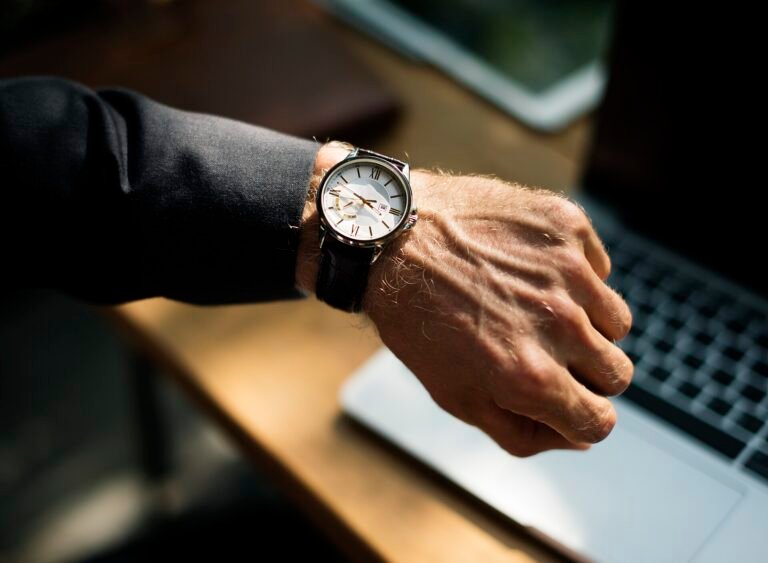
- A classic watch with refined proportions
- High-quality trousers that fit exceptionally well
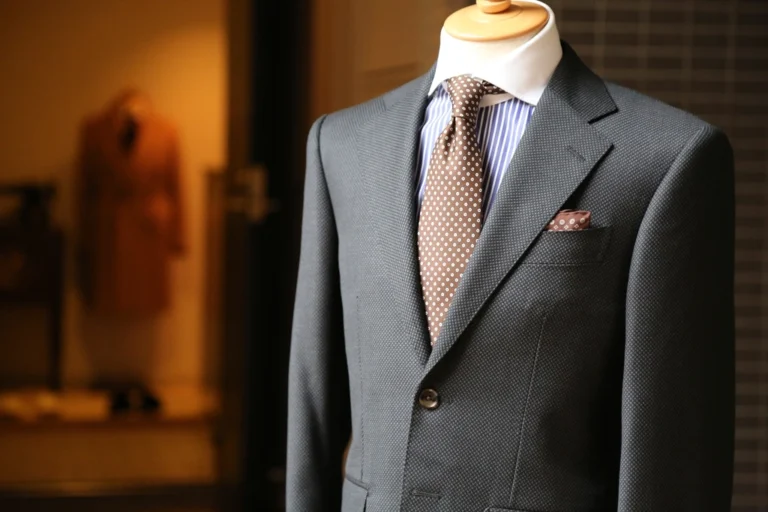
- A simple jacket made from excellent fabric
None of these pieces needs to announce its price. Their appeal comes from how they look, feel, fit, and perform over time.
That is the central idea behind quiet luxury. The quality is visible without being loud.
Quiet Luxury Is Not the Same as Wearing Only Neutral Colors
One of the biggest misunderstandings about quiet luxury is that it means wearing nothing but beige, black, white, navy, grey, and cream.
Those colors can certainly be part of the aesthetic, but they are not the definition. Quiet luxury is more about restraint and intention than a particular color palette.
Someone can wear a deep burgundy coat, forest-green sweater, or beautifully patterned scarf and still have a quiet-luxury approach if the pieces are thoughtfully selected and well made.
The goal is not to eliminate personality. It is to avoid depending on excessive branding or short-lived trends to create visual impact.
This distinction is becoming particularly important as fashion moves toward greater individuality. According to Vogue Business, Spring/Summer 2026 trend coverage points toward stronger personal expression and a move away from simply chasing fleeting micro-trends.
Quiet luxury does not have to mean quiet personality.
Why Timeless Style Still Matters in 2026
Fashion moves quickly. New collections appear every season. Social media can turn an aesthetic into a global trend within days. A particular color, silhouette, handbag, or styling trick can suddenly appear everywhere, and just as quickly disappear.
This creates a problem for anyone trying to build a wardrobe around constant trends. You buy something because it is popular today. Six months later, you barely wear it.
Timeless style offers another approach.
Instead of asking “Is this trending?”, you ask “Will I still enjoy wearing this in three, five, or ten years?”
That question changes how you shop. It encourages better materials, stronger construction, versatile designs, and pieces that work across different situations. It can also lead to fewer unnecessary purchases.
The result is not necessarily a smaller or less fashionable wardrobe. It is a more intentional one.
Quality Has Become More Important Than the Logo
One of the strongest ideas behind quiet luxury is that a recognizable logo should not be the only reason a product feels premium.
Luxury consumers still care deeply about brands. Heritage matters. Reputation matters. Design matters. But craftsmanship and quality remain fundamental.
Research from McKinsey and The Business of Fashion identifies premium quality and craftsmanship as key attributes associated with luxury, while also describing a period in which brands are having to rebuild trust and demonstrate value more convincingly.
That matters because consumers can now compare products more easily than ever. A shopper can research fabric composition, construction, reviews, resale value, brand history, and alternatives before making a purchase.
The logo may get attention. But quality has to justify the purchase.
The Fit of a Garment Can Matter More Than Its Price
A $5,000 jacket does not automatically look better than a $500 jacket. Fit can make a bigger difference than the price tag.
A beautifully constructed garment that sits correctly on the shoulders, falls naturally through the body, and works with the wearer’s proportions can look remarkably sophisticated. That is why tailoring remains one of the foundations of timeless style.
Small details matter: shoulder construction, sleeve length, trouser break, fabric weight, collar shape, button placement, seam finishing, proportion, and comfort.
These details may not be obvious from across a room. But together, they change how a garment looks and feels. This is one reason quiet luxury is fundamentally connected to craftsmanship.
Quiet Luxury Is About Buying Less, but Choosing Better
Modern consumers have access to an enormous amount of fashion. That abundance can make shopping exciting, but it can also create unnecessary consumption.
A closet filled with dozens of trend-driven pieces does not necessarily provide more style. Sometimes, a smaller collection of carefully selected pieces provides more flexibility.
A well-made blazer can work with jeans, trousers, skirts, and dresses. A high-quality knit can move from casual mornings to evening dinners. A classic leather bag can work across seasons. A good pair of shoes can become part of countless outfits.
This is where timeless fashion becomes practical. You are not simply buying something beautiful. You are buying versatility.
The New Meaning of Luxury Is More Personal
Quiet luxury is sometimes criticized for being too uniform. Everyone wearing similar neutral clothing can make the idea feel almost like another trend.
But true timeless style should leave room for individuality.
The most interesting wardrobes usually contain a combination of classic foundations and personal details. Someone might wear a simple navy blazer with vintage jewelry. Another person might combine tailored trousers with colorful shoes. Someone else may prefer minimalist clothing but express personality through watches, scarves, eyewear, or art-inspired accessories.
This is where quiet luxury becomes more interesting. The goal is not to look like everyone else. The goal is to understand what works for you.
Luxury becomes more personal when you stop dressing for approval and start dressing with intention.

Timeless Does Not Mean Boring
This is another common misconception. Classic style does not have to be plain.
Timeless fashion can be dramatic. It can be romantic. It can be colorful. It can be masculine, feminine, minimalist, artistic, or highly individual.
What makes something timeless is not necessarily its simplicity. It is the strength of the design.
A beautifully cut coat can remain relevant even when silhouettes change. A well-designed leather bag can remain desirable long after a particular seasonal trend disappears. A great pair of sunglasses can continue to work for decades.
Timeless style is therefore less about avoiding fashion and more about avoiding unnecessary dependence on fashion cycles.
Quiet Luxury and the Rise of Personal Expression
Interestingly, quiet luxury does not exist in opposition to individuality.
In 2026, fashion is becoming increasingly diverse. Some consumers are embracing understated dressing. Others are experimenting with stronger colors, expressive silhouettes, vintage influences, and maximalist styling. These approaches can coexist. (We cover these directions in Luxury Fashion in 2026.)
The important change is that people are becoming more selective about what they actually want to wear.
McKinsey’s 2026 research notes that younger luxury consumers increasingly connect luxury with identity and self-definition, while quality and craftsmanship remain important across generations. That suggests an important future for quiet luxury. It may become less about copying a particular Instagram aesthetic and more about developing a personal definition of quality.
Craftsmanship Is the Heart of Quiet Luxury
Behind almost every truly timeless luxury item is craftsmanship.
A garment can look simple while requiring extraordinary skill to make. A leather bag may appear minimal, but the quality of its leather, stitching, structure, lining, hardware, and finishing can determine how it ages.
The same principle applies to watches, furniture, shoes, jewelry, cars, and architecture.
This is why quiet luxury should never be reduced to “expensive basics.” The real idea is much deeper. Luxury is often found in the details most people do not immediately notice: a beautifully finished seam, a perfectly balanced jacket, a leather surface that develops character with age, a watch movement finished by skilled hands, or a piece of furniture made to be repaired rather than replaced.
These details create longevity. And longevity is one of the strongest arguments for timeless style.
The Role of Materials in Timeless Fashion
Materials have a major influence on whether something remains useful and attractive over time.
Natural fibers such as wool, linen, silk, and cashmere can create distinctive textures and drape beautifully when properly produced and maintained. High-quality leather can develop a patina. Good denim can become more personal with wear. Well-made knitwear can maintain its shape when cared for correctly.
But expensive material alone does not guarantee quality. A beautiful fabric can still be poorly constructed. That is why material quality should be considered together with design, construction, fit, and durability.
Quiet luxury is about the complete product.
Sustainability and the Appeal of Buying Better
Timeless fashion also fits naturally into the broader conversation around responsible consumption.
Buying fewer pieces that are worn repeatedly can be more practical than constantly replacing a wardrobe with short-lived trends. Repairing an excellent item can make more sense than replacing it. Resale can extend the life of luxury products. And choosing something because you genuinely expect to use it for years can change the entire relationship between fashion and consumption.
McKinsey’s 2026 fashion research highlights the rapid growth of resale and increasing consumer interest in value, uniqueness, and longer-term use. That does not mean every timeless item is automatically sustainable. It simply means durability and longevity are becoming more relevant parts of the luxury conversation.
Quiet Luxury Extends Beyond Fashion
The principles of quiet luxury are not limited to clothing. They can be seen across modern lifestyles.
In Interior Design
Natural materials, thoughtful proportions, comfortable furniture, warm lighting, and fewer but better objects can create a sophisticated home.
In Travel
A private villa, excellent service, local knowledge, and a peaceful setting can matter more than an enormous lobby or flashy design.
In Watches
Collectors may appreciate mechanical engineering, finishing, heritage, proportion, and craftsmanship rather than decoration alone.
In Cars
Comfort, materials, engineering, sound insulation, personalization, and design can create a more sophisticated experience than simply having the largest vehicle.
In Dining
A beautifully prepared meal, exceptional ingredients, intimate surroundings, and thoughtful service can create luxury without unnecessary spectacle.
The same philosophy appears again and again: quality without unnecessary noise. It is a big part of what modern luxury means today.
Quiet Luxury Is Not About Pretending to Be Wealthy
There is an important distinction between genuinely appreciating understated luxury and simply trying to look wealthy.
Quiet luxury can become another status signal when people purchase expensive neutral clothing simply because it communicates a certain social image. That misses the point.
If someone buys a $2,000 sweater they never wear because they believe it makes them look sophisticated, the purchase may have little real value. If someone buys a beautifully made sweater because they love the material, fit, craftsmanship, and expect to wear it for years, the decision makes more sense.
The difference is intention. Quiet luxury should not be about performing wealth. It should be about appreciating quality.
How to Build a Quiet Luxury Wardrobe in 2026
You do not need to replace your entire wardrobe. Start with the pieces you use most.
- Invest in better outerwear. A well-made coat can become one of the most useful pieces in your wardrobe.
- Focus on fit. Even affordable clothing can look significantly better when properly tailored.
- Choose versatile colors. Neutral foundations can make it easier to combine different pieces.
- Look at materials. Check fabric composition, construction, lining, stitching, and finishing rather than relying only on the brand name.
- Avoid buying every micro-trend. Ask whether you genuinely like something or simply noticed it everywhere online.
- Take care of your clothes. Proper washing, storage, repairs, and tailoring can extend the life of good pieces.
- Add personality. Quiet luxury should still look like you. A distinctive watch, vintage scarf, unusual shoes, jewelry, or color can make a timeless wardrobe personal.
What Quiet Luxury Will Look Like Next
The future of quiet luxury probably will not be one fixed aesthetic. Fashion is too diverse for that.
Instead, its strongest principles are likely to remain: quality, craftsmanship, longevity, personal expression, comfort, versatility, thoughtful design, subtle branding, better materials, and meaningful purchases.
According to The Business of Fashion, luxury brands are increasingly emphasizing specificity, cultural authority, and a form of “quiet exclusivity” as they look for stronger ways to differentiate themselves.
That suggests quiet luxury may evolve rather than disappear. The beige blazer may come and go. The principle of buying something beautifully made because it will remain useful for years is much harder to make obsolete.
Why Timeless Style Will Always Have a Place
Trends are exciting. They give fashion energy. They encourage experimentation. They create cultural moments.
But timeless style offers something different. It offers stability.
A timeless piece does not need to be reinvented every season. It can become familiar. It can develop character. It can carry memories.
A coat worn on an important trip. A watch received for a milestone. A handbag purchased to celebrate a new chapter. A pair of shoes worn at countless dinners.
These objects can eventually become more than fashion. They become part of a person’s story. That is one of the most powerful forms of luxury.
Final Thoughts: Quiet Luxury Is Really About Lasting Value
Quiet luxury in 2026 is not simply about wearing neutral colors or hiding designer logos. It is about a broader change in the way people think about luxury.
The focus is moving from immediate attention toward lasting value. From logos toward craftsmanship. From constant trends toward personal style. From buying more toward choosing better. From showing wealth toward appreciating quality. And from following an aesthetic toward creating a life that feels authentic.
The most luxurious item in your wardrobe may not be the one everyone recognizes. It may be the one you continue reaching for years later: a beautifully made coat, a perfectly fitted jacket, a watch with a story, a leather bag that becomes better with age, or something as simple as a favorite sweater that feels completely like you.
Fashion changes. Good design lasts. That is why timeless style still matters.
Frequently Asked Questions
What is quiet luxury in 2026?
Quiet luxury in 2026 is less about a specific color palette or avoiding logos and more about quality, craftsmanship, timeless design, personal expression, and understated sophistication.
Is quiet luxury still popular in 2026?
The underlying principles of quiet luxury remain relevant, particularly quality, craftsmanship, individuality, and lasting value. However, fashion in 2026 is not limited to one aesthetic.
Is quiet luxury only about expensive clothes?
No. Quiet luxury is a philosophy that can apply to fashion, watches, interiors, travel, cars, dining, and lifestyle. The common idea is thoughtful quality rather than excessive display.
How can I dress in quiet luxury style?
Focus on excellent fit, versatile pieces, quality materials, simple but strong silhouettes, understated accessories, and clothing you genuinely enjoy wearing.
Is quiet luxury the same as minimalist fashion?
Not exactly. Minimalism focuses strongly on simplicity and reduction, while quiet luxury focuses more on quality, craftsmanship, restraint, and understated sophistication. The two styles can overlap.