The New Meaning of Luxury: Why Experiences Matter More Than Expensive Things
Luxury has always been associated with things.
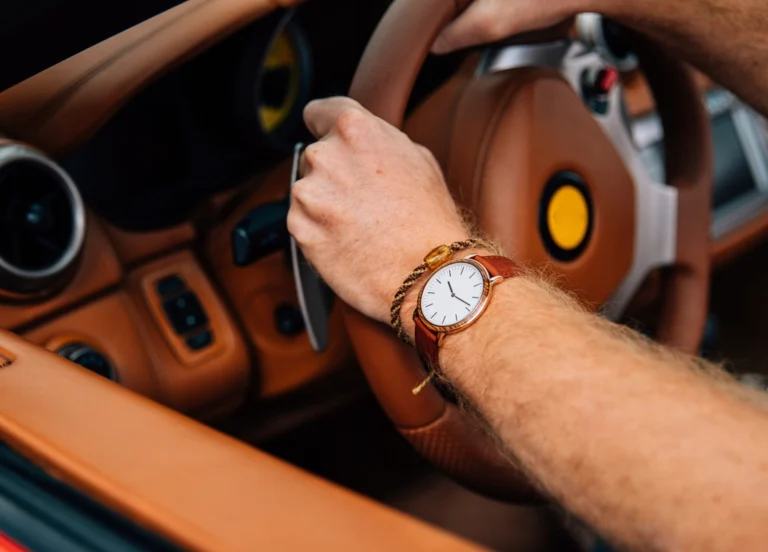
A beautiful watch. A designer handbag. A powerful car. A large home. Fine jewelry. A private jet. A five-star hotel suite.
For generations, these objects represented success because they were expensive, exclusive, and difficult for most people to access. Owning them was a clear signal of status.
But the meaning of luxury is changing.
In 2026, simply having something expensive is no longer the only way people define a luxurious life. Increasingly, the real value lies in what an experience gives you: time, privacy, memories, connection, comfort, discovery, and the freedom to live differently.
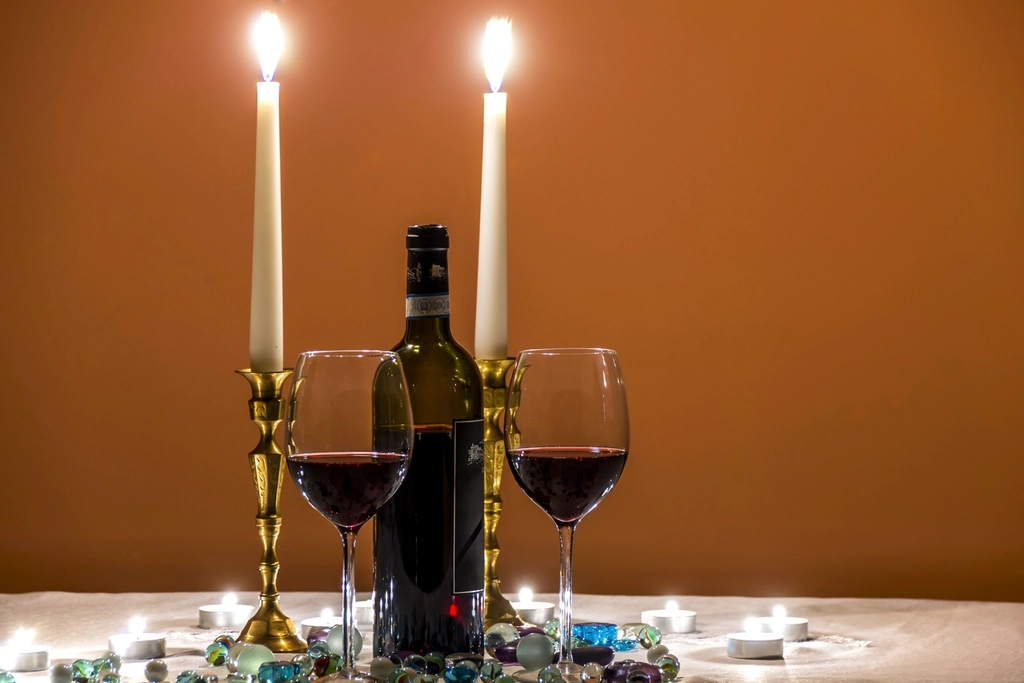
A private dinner in a remarkable location can create more lasting emotional value than another expensive possession sitting unused in a closet. A week exploring a remote destination with a carefully planned itinerary can become a story remembered for decades. Even something as simple as an uninterrupted morning, free from notifications and responsibilities, can feel surprisingly luxurious.
This does not mean expensive products have lost their importance. Quality watches, fashion, cars, jewelry, architecture, and craftsmanship remain essential parts of luxury culture.
The difference is that luxury is becoming less about the object alone and more about the experience surrounding it. These are what we call modern luxury experiences.
Modern Luxury Experiences: What Is Experiential Luxury?
Experiential luxury is luxury built around moments rather than possessions.
Instead of focusing only on what someone owns, it focuses on what someone gets to live, feel, and remember.
That might include:
- A private villa in a remote destination
- A personalized international trip
- A private dining experience
- A wellness or longevity retreat
- A cultural experience with a local expert
- A luxury train journey
- A sailing trip with a customized itinerary
- A private fashion appointment
- A secluded weekend away
- A once-in-a-lifetime family vacation
The most important point is that the experience does not have to be spectacular simply because it is expensive. Its true value often comes from being personal, rare, convenient, meaningful, or difficult to recreate.
A product can be displayed. An experience has to be lived.
Why Experiences Are Becoming More Valuable
One of the biggest reasons is simple: people already have access to more products than ever before.
Consumers can research, compare, and order watches, handbags, cars, clothing, hotels, and electronics from around the world within minutes. Luxury products are still exclusive, but information about them is no longer exclusive.
When almost anyone can see the same products online, the emotional difference between owning an expensive object and experiencing something genuinely personal becomes smaller.
Modern luxury experiences offer something products cannot always provide: a memory connected to a specific time, place, and feeling.
Recent research from McKinsey supports this shift. Its analysis of luxury consumers found that experiences increasingly compete with physical products for discretionary spending, with travel ranking as one of the top priorities for additional spending among affluent consumers.
That does not mean people have stopped buying luxury goods. It means the definition of value is becoming broader. (For the bigger picture, see what modern luxury means today.)
The Difference Between Owning Luxury and Living Luxury
There is an important distinction between owning luxury and living luxuriously.
Owning luxury may mean purchasing a beautiful object. Living luxury means having the freedom to enjoy your time, travel comfortably, protect your privacy, and spend meaningful moments with people you care about.
Imagine two scenarios.
In the first, someone buys an extremely expensive watch but has little time to enjoy life because their schedule is constantly full.
In the second, someone spends a week in a peaceful destination, disconnects from work, enjoys excellent food, explores the local culture, and returns home with memories that remain meaningful years later.
Both can be considered luxury. But the second example shows why modern luxury is increasingly connected to quality of life.
The luxury is not simply what was purchased. The luxury is what the purchase made possible.
Time May Be More Valuable Than Another Expensive Possession
There is perhaps no clearer example of modern luxury than time.
Money can buy convenience, but it cannot create more hours in a day. That makes control over time incredibly valuable.
For busy professionals, entrepreneurs, executives, and families, luxury often means removing unnecessary friction from everyday life. It can mean having someone plan a complicated trip, using private transportation, staying somewhere close to everything needed, enjoying flexible schedules, or taking a longer vacation instead of rushing through several destinations.
The real benefit is not always the service itself. It is the time and mental space the service creates.
Modern luxury increasingly asks a different question. Not “How expensive is this?” but “What does this give me back?”
Sometimes the answer is time. Sometimes it is peace. Sometimes it is freedom.
Travel Is Leading the Shift Toward Experiential Luxury
Travel is one of the clearest examples of this transformation.
Luxury travel used to be strongly associated with grand hotels, large suites, expensive restaurants, and visible signs of wealth. Those elements remain important, but today’s luxury traveler often wants something more personal:
- A private guide who truly knows the destination
- A villa away from crowded tourist areas
- A carefully planned route through several places
- A meal prepared around personal preferences
- Access to a cultural experience that ordinary tourists cannot easily find
- A wellness program designed around individual needs
- Or simply the freedom to stay longer in one place rather than rushing through an itinerary
According to insights from Robb Report, many wealthy travelers are now prioritizing privacy, remote destinations, and highly personalised experiences over traditional status-driven holidays.
This is why a five-star hotel is now only one part of luxury travel. The destination, service, itinerary, privacy, food, people, and memories all contribute to the overall experience. We explore this in depth in Luxury Travel in 2026.
Privacy Has Become a Luxury of Its Own
There was a time when luxury was about being seen. Today, some of the most valuable forms of luxury are about not being seen.
Privacy has become increasingly rare in a world of smartphones, social media, notifications, and constant digital connection. Because it is rare, it has become more valuable.
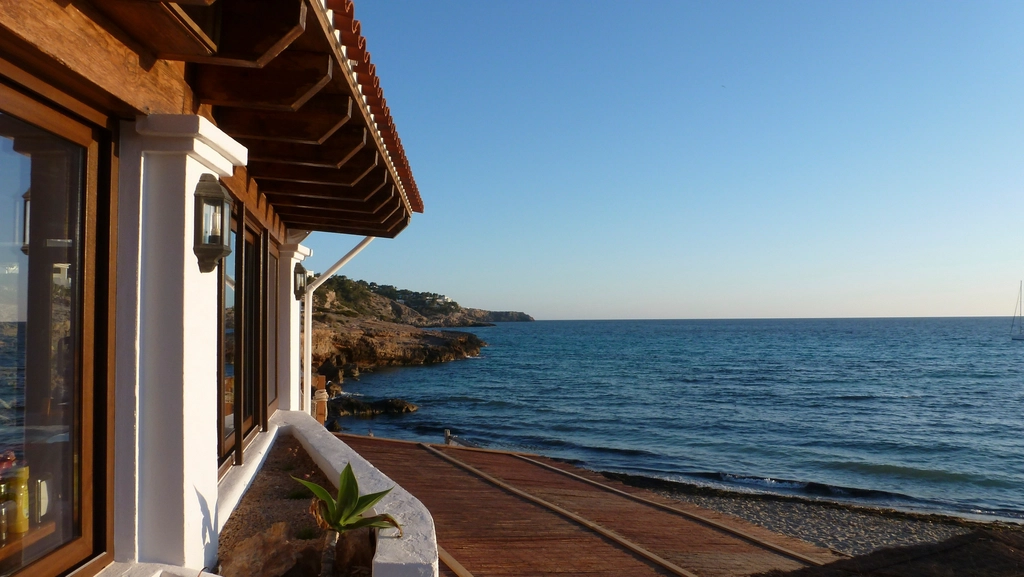
For many travelers, the ultimate luxury is no longer a larger hotel lobby. It is a private villa. Not a crowded restaurant, but a private dining room. Not a busy resort pool, but a secluded beach. Not another public event, but a quiet afternoon without interruptions.
A crowded luxury resort can still feel crowded. A beautifully designed private space can feel significantly more valuable because it provides something increasingly difficult to find: peace.
Modern luxury is moving toward environments where people can control how much of the outside world they allow in.
Personalization Makes an Experience Feel Truly Luxurious
Another major shift is personalization.
People increasingly expect premium services to understand their preferences rather than simply deliver a standard package.
Consider the difference between two hotel stays. The first gives every guest the same experience. The second remembers preferred room temperature, dietary needs, favorite coffee, pillow type, and preferred activities.
The second experience may not cost dramatically more, but it can feel far more luxurious because it feels personal.
This idea is becoming especially important across hospitality, travel, fashion, and automotive. The old question was “Can everyone buy this?” The new question is increasingly “Does this feel like it was created for me?”
Experiences Create Memories That Products Cannot Always Reproduce
One reason experiences are powerful is that they become part of personal history.
A handbag may remain in excellent condition for years. A watch may become a family heirloom. A luxury car may become a collector’s piece. But a memorable experience creates something different: a story.
You remember where you were, who was with you, what the place looked like, what you ate, how the weather felt, and what happened unexpectedly.
A family trip taken when children are young may become a story repeated for years. A milestone birthday celebrated somewhere extraordinary may become associated with an entire period of life. A private cultural experience may completely change how someone sees a destination.
These moments cannot simply be purchased again. That uniqueness is part of their value.
Luxury Wellness Is About Feeling Better, Not Simply Looking Better
The rise of wellness is another clear sign that luxury is moving toward experiences.
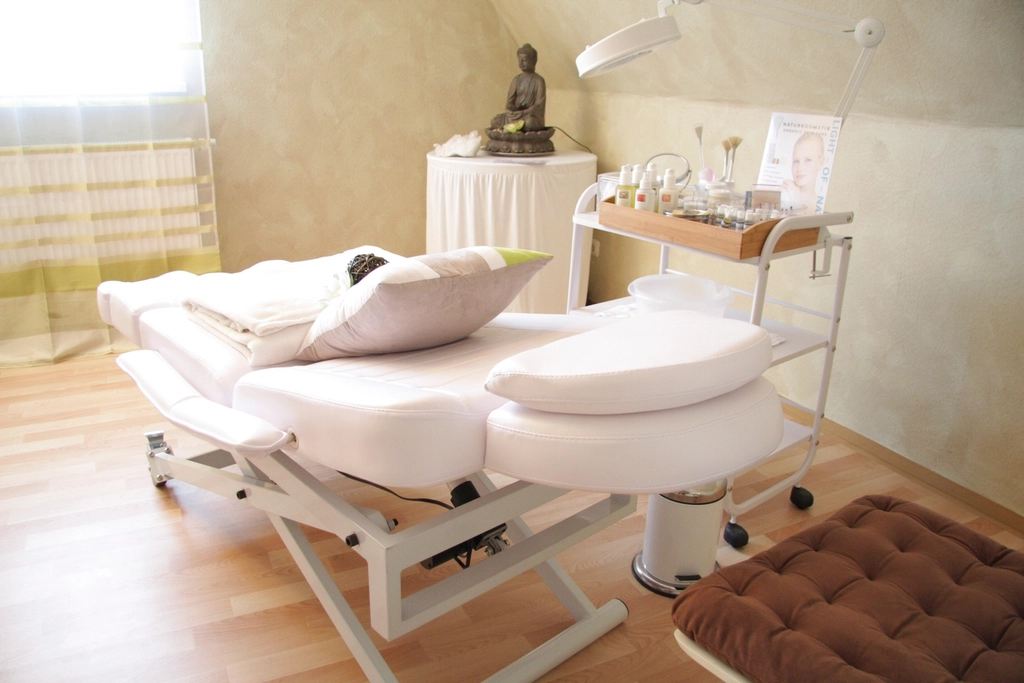
Luxury wellness can include spa retreats, sleep-focused programs, fitness and movement, nutrition experiences, meditation retreats, nature-based escapes, longevity programs, and recovery-focused travel.
The underlying question is different from traditional luxury consumption. Instead of “What can I show people that I have?”, the focus becomes “How do I want to feel?”
As modern consumers become more conscious of stress, burnout, sleep, and overall well-being, experiences that restore energy and calm are becoming increasingly valuable.
Quiet Luxury Is Also About How an Experience Feels
The quiet luxury movement is often discussed in fashion, but its philosophy extends much further.
Quiet luxury is not simply about wearing clothes without logos. It is about restraint, intention, and quality that does not need to announce itself.
The same idea applies to travel, interiors, hospitality, and dining. A quiet luxury hotel may feature beautiful materials without excessive decoration. A restaurant may focus on service, ingredients, atmosphere, and intimacy rather than spectacle. A private residence may prioritize natural light, proportion, craftsmanship, and comfort over filling every room with expensive objects.
The common theme is subtlety. The experience does not need to announce its price. It simply needs to feel exceptional.
Luxury Does Not Have to Mean More
This may be one of the most important changes in the modern definition of luxury.
Traditional luxury often followed the idea of more: more space, more decoration, more features, more expensive materials, more visible status.
Modern luxury increasingly values better. Better service. Better design. Better materials. Better privacy. Better experiences. Better use of time. Better memories.
A smaller hotel room with exceptional design and service can feel more luxurious than a huge room that feels impersonal. A simple dinner prepared with extraordinary ingredients can feel more memorable than an elaborate meal designed mainly to impress.
Modern luxury is increasingly about intentionality.
The Role of Technology in Experiential Luxury
Technology might seem unrelated to the emotional side of luxury, but it is becoming an important part of the experience when used correctly.
The best luxury technology works quietly in the background. Smart-home systems adjust lighting and temperature. Connected cars personalize settings. Travel platforms help create tailored itineraries. Digital concierge systems simplify planning.
Technology should reduce friction, not create more of it. It can support a better luxury experience, but it should not remove the human element that makes the experience feel special.
Why Luxury Brands Are Competing With Experiences
Luxury brands are no longer competing only with other luxury brands. They are competing for people’s time, attention, and discretionary spending.
A consumer deciding how to spend a significant amount of money may be choosing between a luxury handbag, a watch, a vacation, a wellness retreat, a private dining experience, or a combination of several smaller experiences.
That means the strongest brands must think beyond the physical product. The product still matters, but the story around it, the way customers are treated, and the memories associated with it matter too.
Are Expensive Things Still Important?
Absolutely.
The shift toward experiences does not mean people have stopped caring about beautiful products. A finely crafted mechanical watch can carry enormous emotional value. A beautifully constructed leather bag can become part of someone’s identity. A classic automobile can represent engineering, history, and design. Fine jewelry can carry family memories across generations.
The important change is why people value these objects. A product becomes more meaningful when it has a story: when it was purchased to celebrate a milestone, made by skilled artisans, passed down through a family, or represents years of collecting.
In those situations, the product itself becomes part of an experience.
The New Luxury Is Often About Access
Another important evolution is the difference between ownership and access.
You do not necessarily need to own everything you enjoy. You might rent a villa rather than own one, charter a yacht rather than purchase one, stay at an exceptional hotel rather than maintain a second home, or use a luxury car for a particular journey rather than keep several vehicles.
This creates a more flexible version of luxury. Instead of asking “What can I own?”, people can ask “What can I experience?”
For modern consumers who value freedom and flexibility, access can sometimes provide the benefits of luxury without the long-term responsibilities of ownership.
Experiences Become More Valuable When They Are Shared
Luxury is not always about solitude. Some of the most valuable experiences are shared with other people: a family holiday, a celebration with close friends, a romantic trip, a special dinner, a cultural journey with someone who shares your interests, a milestone event.
The emotional value of these experiences can increase because they become part of relationships. Years later, people may forget the exact price of a vacation but remember laughing together during dinner, watching a sunset, or discovering something unexpected.
That is a different kind of wealth.
What Does This Mean for the Future of Luxury?
The future of luxury will probably not be divided between products and experiences. Instead, the two will increasingly work together.
A luxury watch brand may build exclusive travel experiences around its heritage. A fashion house may create private cultural events for its customers. A hotel may become a destination for wellness, dining, art, and local culture rather than simply a place to sleep. A high-end travel company may use technology to create more personalized itineraries while keeping human advisors at the center.
The strongest luxury brands will understand that consumers are not simply buying products. They are buying feelings, stories, identity, access, convenience, and memories.
How to Create More Luxury in Everyday Life
Modern luxury experiences do not always require a huge budget. The idea can be applied to everyday life. You can create more luxury by:
- Protecting your time and leaving space in your schedule
- Choosing quality over quantity
- Planning meaningful dinners, weekend trips, or cultural activities
- Making your home calmer with better lighting, comfortable furniture, and less clutter
- Disconnecting from your phone for uninterrupted periods
- Spending time with people you value
- Traveling more intentionally by staying longer in fewer places
Luxury is not always about spending more. Sometimes it is about paying more attention.
The Real Value of Luxury Is Becoming More Personal
There is no universal definition of luxury anymore.
For one person, luxury may still mean a rare watch. For another, it may mean flying somewhere beautiful. For someone else, it may be a quiet home, flexible work, excellent food, or more time with family.
This is why modern luxury is becoming increasingly personal. The old definition focused heavily on external status. The new definition is increasingly connected to internal satisfaction.
What makes you feel comfortable? What gives you freedom? What experiences do you remember? What makes your life feel richer?
Those questions may ultimately be more important than the price of any individual product.
So, Why Do Experiences Matter More Than Expensive Things?
Experiences matter because they can provide something possessions cannot always deliver. They create memories. They can strengthen relationships. They can give us time away from routine. They can introduce us to new cultures. They can improve our sense of well-being. They can provide privacy and freedom.
And, perhaps most importantly, they become part of our personal stories.
That does not make luxury products irrelevant. It simply changes their role. A beautiful object can still be luxurious. But the experience surrounding it may be what makes it truly valuable.
Final Thoughts: Luxury Is Becoming Something You Live
The new meaning of luxury is not about abandoning expensive things. It is about understanding that price is only one part of value.
A luxury watch can be valuable because of its craftsmanship. A designer coat can be valuable because of its materials and construction. A beautiful home can be valuable because of its architecture.
But a private trip, a peaceful morning, a meaningful dinner, or time with people you love can create another kind of value, one that cannot always be measured by price.
That is why modern luxury experiences are becoming such an important part of how we live in 2026.
Luxury is no longer only about what you own. It is increasingly about how you live, what you experience, who you share it with, and how those moments make you feel.
In the end, the most luxurious thing may not be the most expensive thing you can buy. It may simply be the experience you never forget.