Luxury Fashion in 2026: The Trends Shaping Modern Personal Style
Luxury fashion in 2026 is becoming less about following one perfect aesthetic and more about developing a personal point of view.
For several years, fashion conversations were dominated by quiet luxury, minimalism, neutral wardrobes and recognizable ideas of understated wealth. Those influences have not disappeared, but the mood is changing.
In 2026, luxury fashion is becoming more individual.
Some people are choosing beautifully tailored coats and understated accessories. Others are embracing stronger colors, expressive silhouettes, vintage references, dramatic textures or statement jewelry. The common thread is not that everyone is dressing alike. It is that people are becoming more selective about what deserves a place in their wardrobe.
Recent fashion research from McKinsey and The Business of Fashion points to a luxury market recalibrating around creativity, craftsmanship, customer experience and trust. At the same time, consumers are becoming more discerning about where they spend, while younger luxury shoppers increasingly use fashion as a form of identity and self-expression.
So what does luxury fashion actually look like in 2026? Here are the luxury fashion trends that matter, and the answer is more interesting than a simple list of seasonal trends.
The Luxury Fashion Trends Defining 2026
The biggest change is that luxury fashion is becoming less prescriptive.
There is no single silhouette, color palette or aesthetic that defines modern luxury. Instead, several different directions are developing at the same time. You can see this in the growing importance of:
- Personal expression
- Exceptional craftsmanship
- Tailored silhouettes
- Distinctive textures
- Jewelry and meaningful accessories
- Vintage and resale fashion
- Better-quality wardrobe staples
- Individual styling
- Technology blended with fashion
- Pieces that feel personal rather than simply expensive
Vogue Business’s Spring/Summer 2026 trend predictions specifically highlighted individuality and personal style, with fashion moving beyond fleeting micro-trends toward stronger forms of personal expression.
That may be the most important luxury fashion trend of all.
1. Personal Style Is Becoming More Important Than Following Trends
For years, social media encouraged people to dress according to recognizable aesthetics. There was quiet luxury. Then coastal grandmother. Then old money. Then mob wife. Then countless micro-trends that could appear on TikTok and Instagram almost overnight.
The problem with constantly following aesthetics is simple: your wardrobe can start looking like a collection of trends rather than an expression of you.
Luxury fashion in 2026 is moving in another direction. Personal style is becoming more valuable.
That does not mean ignoring fashion. It means understanding which parts of fashion actually fit your personality.
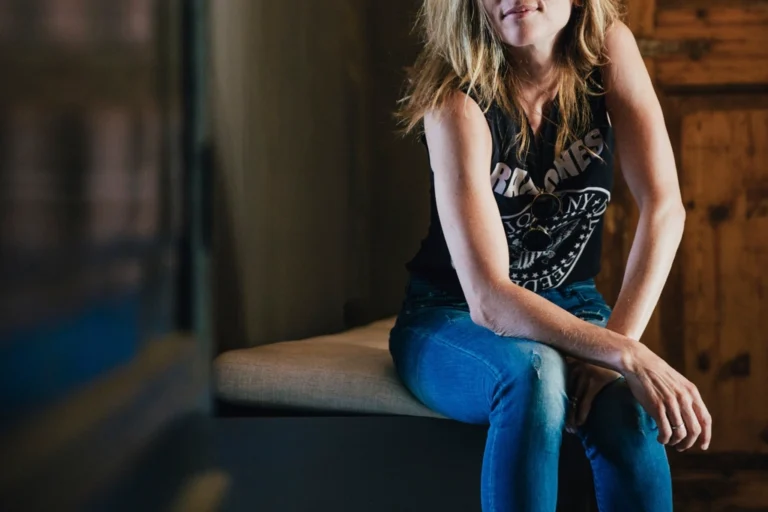
Someone may build a wardrobe around beautifully cut tailoring. Someone else may prefer vintage denim, jewelry and unusual accessories. Another person may combine classic clothing with bold colors. All three can look luxurious.
The difference is intention. The strongest wardrobes often have something recognizable about the person wearing them rather than simply reflecting whatever aesthetic happens to be popular that month.
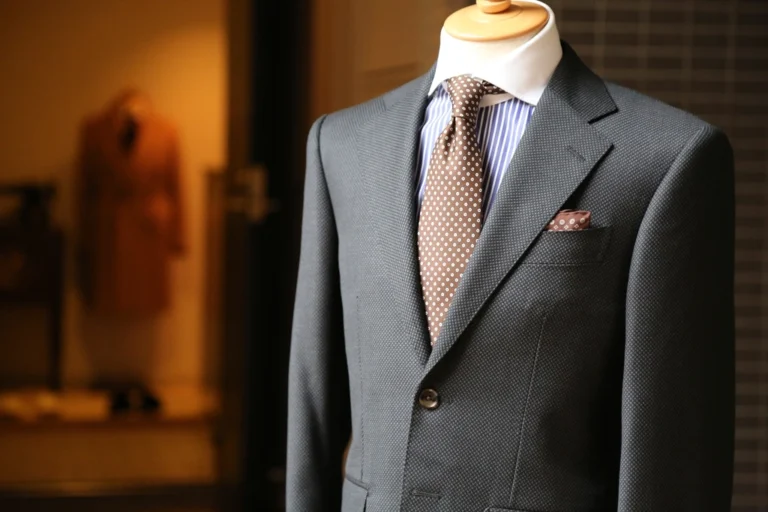
2. Tailoring Is Returning With More Personality
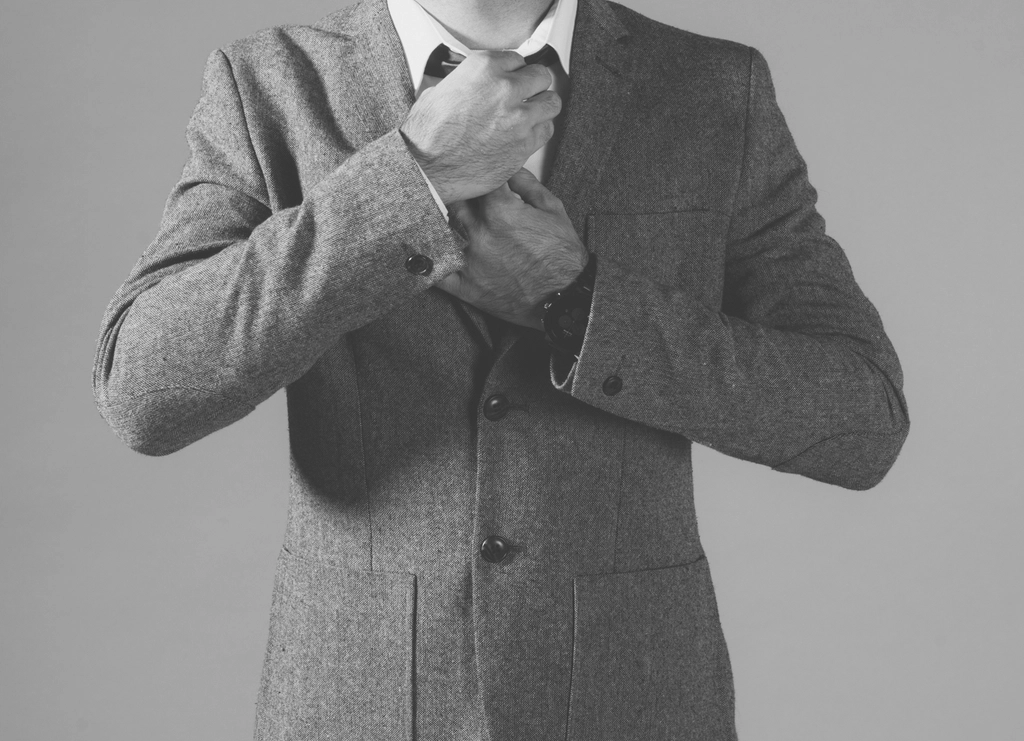
Tailoring remains one of the most reliable foundations of luxury fashion, but in 2026 it is becoming more expressive.
Instead of perfectly uniform suits, designers are exploring different proportions, structured shoulders, cinched waists, relaxed trousers, unusual layering and more fluid combinations of formal and casual pieces.
Vogue Business identified fitted and cinched silhouettes among its Spring/Summer 2026 predictions, reflecting renewed interest in defined shapes and more expressive proportions.
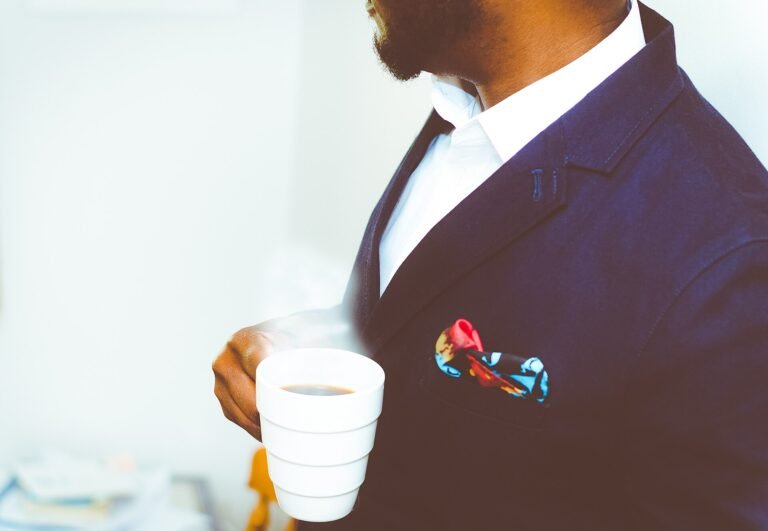
The interesting part is how tailoring is being styled. A blazer no longer has to mean a complete traditional suit. It can be worn with denim. A structured jacket can work with a flowing skirt. Tailored trousers can be paired with sneakers. A formal coat can become the defining piece of an otherwise casual outfit.
Luxury style increasingly comes from knowing how to combine different levels of formality.
Why tailoring still matters
Good tailoring does something that a logo cannot. It changes proportion.
A well-cut garment can improve the way an outfit sits on the body, create balance and make relatively simple materials look sophisticated. That is why tailoring continues to survive every fashion cycle.
3. Quiet Luxury Is Evolving, Not Disappearing
Quiet luxury is still relevant, but the idea is changing.
The earlier version was often associated with neutral colors, discreet branding and extremely minimalist wardrobes. In 2026, that definition feels too narrow.
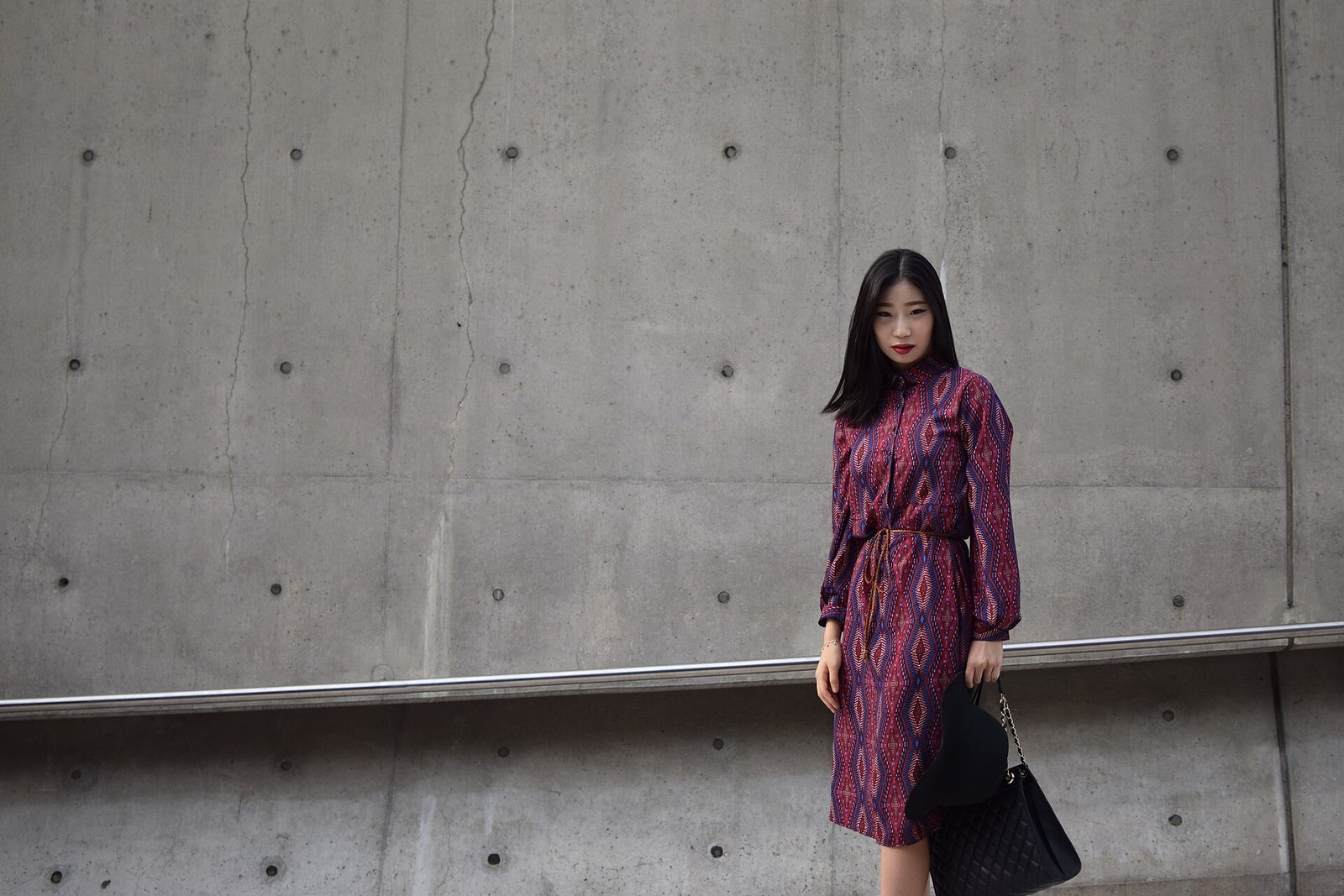
Quiet luxury is increasingly about quality and confidence without unnecessary display. A person can wear a burgundy coat, patterned scarf or unusual jewelry and still have an understated approach to luxury.
This is consistent with a broader shift in the luxury market. McKinsey’s 2026 research found that emotional connection and identity are increasingly important to luxury consumers, while craftsmanship and quality remain essential foundations.
In other words, quiet luxury does not have to mean quiet personality. The better question is: does the clothing feel intentional?
4. Texture Is Giving Luxury Fashion More Emotion
One of the most noticeable changes in 2026 is the growing importance of tactile materials and visible texture.
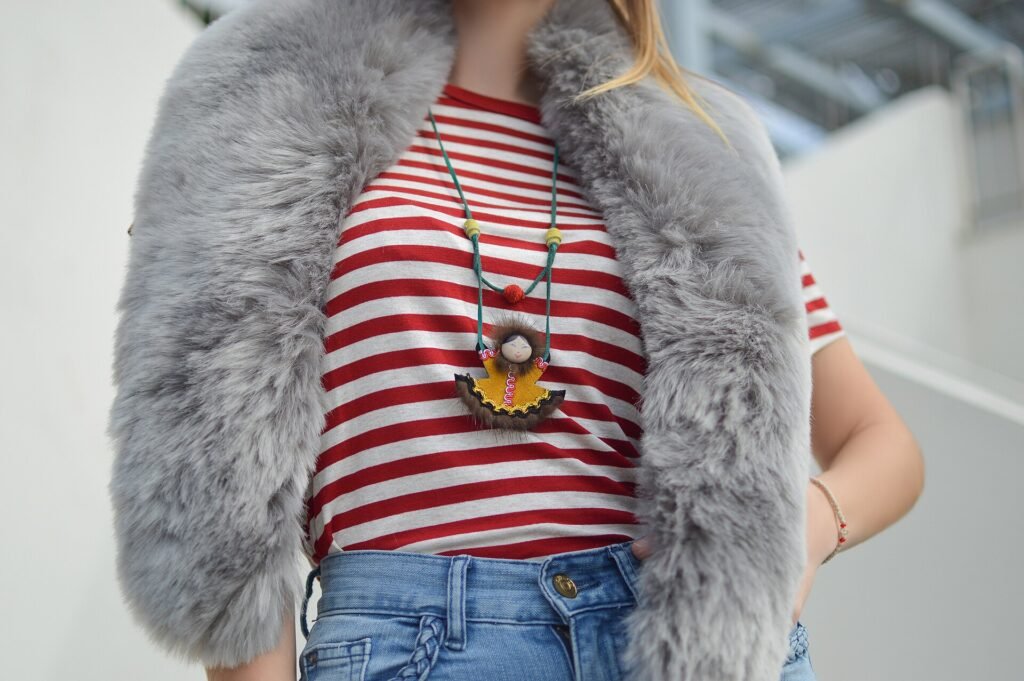
Feathers, shearling, mohair, fringe, pony hair and other rich textures are appearing more prominently across luxury fashion. Business of Fashion reported strong growth in the use of feathers and shearling during the Autumn/Winter 2026 season, reflecting a movement toward more dramatic and tactile luxury.
This is an interesting development because it moves fashion away from the idea that luxury must always be restrained.
Texture creates emotion. A soft cashmere sweater feels different from a crisp cotton shirt. A suede jacket creates a different impression from polished leather. A heavily textured evening piece can create drama without relying on a large logo.
Luxury is becoming something people can see and feel, not simply recognize.
5. Jewelry Is Becoming a Bigger Part of Personal Style
Jewelry is having an important moment in luxury fashion.
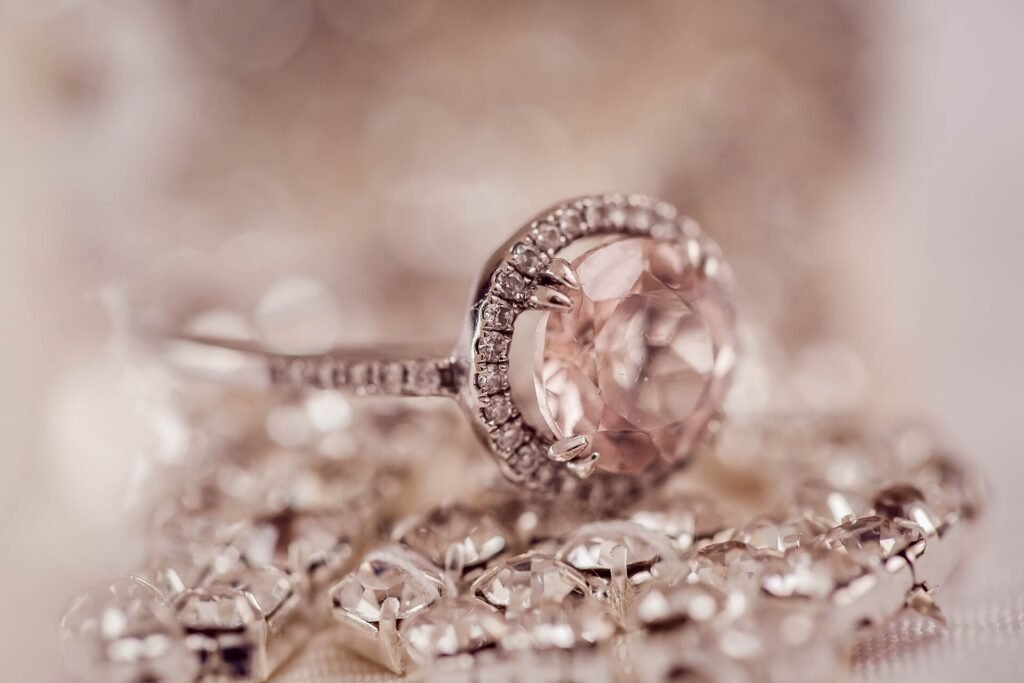
Rather than treating jewelry as something reserved for formal occasions, many consumers are using it as an everyday expression of personality. A watch, ring, necklace, bracelet or pair of earrings can completely change a simple outfit.
This is especially important as wardrobes become more flexible. A simple white shirt and tailored trousers can look completely different depending on the accessories.
McKinsey and The Business of Fashion identified jewelry as one of the strongest-performing areas of fashion, with demand supported by long-lasting value, self-expression and self-gifting.
That makes jewelry more than an accessory trend. It is becoming part of the way people communicate identity.
6. Color Is Becoming More Personal
Neutral colors are not going anywhere. Black, white, cream, navy, grey, camel and brown remain powerful foundations because they are versatile and easy to style.
But 2026 is also bringing more room for color. Vogue Business’s Spring/Summer predictions include icy blues, dusty tones, richer patterns and more expressive color combinations.
This does not mean every luxury wardrobe needs to become colorful. Instead, color is becoming another tool for personal expression.
One person might build an almost entirely neutral wardrobe and use a deep red handbag as a signature. Another might prefer soft blue and lavender. Someone else might use bold prints as their defining feature.
The luxury is in making the choice feel deliberate.
7. Vintage and Resale Are Becoming Part of Luxury Style
Luxury fashion is no longer defined only by buying something brand new.
Vintage and resale have become important parts of the modern luxury ecosystem. Consumers can now discover older collections, discontinued handbags, vintage watches and rare pieces through specialized resale platforms and marketplaces.
McKinsey reports that the secondhand fashion and luxury market is expected to grow faster than the firsthand market through 2027, as shoppers search for value and more distinctive products.
This changes the meaning of a luxury wardrobe. A piece does not have to be from the newest collection to be valuable. Sometimes an older item has something a new product cannot easily reproduce: history.
A vintage jacket may have a different cut. An older handbag may have developed character through use. A discontinued watch may carry a story that makes it more interesting to its owner.
That sense of discovery is becoming part of modern luxury.
8. The Best Luxury Wardrobes Mix New and Old
One of the easiest ways to create personal style is to stop thinking about your wardrobe as either traditional or trendy. Combine both.
A new tailored jacket can work with vintage denim. A classic watch can be paired with contemporary sneakers. A modern handbag can be styled with a decades-old coat. A vintage scarf can completely change a simple outfit.
This approach also reduces dependence on seasonal shopping. Instead of rebuilding your wardrobe every few months, you can gradually add pieces that work with what you already own.
That creates something more valuable over time: a wardrobe with memory.
9. Craftsmanship Matters More When Everything Looks Expensive
Luxury fashion has another challenge in 2026: more brands are moving upward.
Premium and even mass-market brands are investing in better stores, better materials, stronger campaigns and more sophisticated design. Business of Fashion describes this as an increasingly crowded fashion landscape in which luxury brands need stronger differentiation through design, craft, cultural relevance and service.
When many brands can create an expensive-looking product, craftsmanship becomes more important. A beautiful photograph can make almost anything look premium online. But the actual product has to survive closer inspection.
How does the fabric feel? How is the garment constructed? How does the leather age? Are the seams finished properly? Does the shape remain attractive after years of use?
Those questions matter because luxury is ultimately experienced beyond the screen.
10. Technology Is Becoming Part of Luxury Style
Fashion and technology are becoming increasingly connected. Smart eyewear is one example.
McKinsey and The Business of Fashion identified smart frames as a major emerging category in 2026, combining fashion with technology and AI-enabled functionality.
This is an important shift because luxury accessories have traditionally been about appearance, craftsmanship and status. Now they can also be about functionality. The next generation of luxury accessories may combine:
- Premium materials
- Sophisticated design
- Personalization
- Health or wellness features
- AI-assisted functions
- Connected experiences
- Traditional craftsmanship
The challenge will be making technology feel elegant rather than disposable. A luxury product should ideally remain desirable even after the novelty of the technology fades.
11. Luxury Fashion Is Becoming More Selective
One of the biggest luxury fashion trends of 2026 is not simply spending more. It is spending more carefully.
Luxury consumers are increasingly asking whether a product is worth the price. McKinsey’s 2026 fashion research describes consumers as more value-conscious and increasingly focused on quality, craftsmanship and the justification for discretionary purchases.
That changes how people shop. Instead of buying five pieces because they are fashionable, someone may buy one exceptional coat. Instead of collecting several similar bags, they may search for one that genuinely fits their lifestyle. Instead of buying a recognizable logo, they may prioritize construction, materials and design.
Luxury becomes less about quantity. It becomes about confidence in the choice.
12. Personal Expression Is the Real Luxury Trend
Perhaps the most important trend in luxury fashion in 2026 is difficult to photograph. It is individuality.
Luxury fashion is increasingly becoming a tool for communicating who someone is rather than simply how much they can spend. This is particularly visible among younger consumers.
The State of Fashion 2026 research found that Gen Z and Millennials place greater emphasis on luxury as a marker of identity and self-definition, while quality and craftsmanship remain important across generations.
That means personal style is becoming part of the value proposition. A garment can be expensive and still feel ordinary. A less obvious piece can feel extraordinary when it perfectly fits the person wearing it.
The difference is meaning.
13. How to Build a Luxury Wardrobe That Feels Personal
You do not need an entirely new wardrobe to follow luxury fashion in 2026. Instead, start by understanding what you actually wear.
Find your strongest silhouettes
Do you look and feel better in tailored jackets, relaxed trousers, flowing dresses or structured coats? Start there.
Build around quality foundations
Invest in pieces that will be worn frequently. A good coat, jacket, trousers, shoes or bag can become the foundation for dozens of outfits.
Add one distinctive element
It could be a vintage watch, statement jewelry, a colorful handbag, an unusual pair of shoes, a patterned scarf, a distinctive jacket or a strong pair of sunglasses. You do not need five statement pieces in one outfit. One can be enough.
Learn your colors
You do not have to wear only neutrals. Find the colors that work with your complexion, lifestyle and existing wardrobe.
Mix old and new
Do not underestimate vintage. A wardrobe feels more personal when everything does not look as if it came from the same season.
Pay attention to fit
Even an expensive garment can look wrong when the proportions are wrong. Tailoring can sometimes transform an ordinary piece.
Buy with a longer horizon
Before purchasing something expensive, ask: will I still want this in three years? If the answer is yes, it may deserve consideration.
14. What Luxury Fashion in 2026 Is Moving Away From
Not every fashion trend deserves to become part of your wardrobe. Luxury fashion is gradually moving away from the idea that visibility automatically equals value. That means less dependence on:
- Oversized branding
- Disposable micro-trends
- Buying something simply because social media made it popular
- Wearing an aesthetic that does not feel authentic
- Treating price as the only measure of quality
This does not mean logos, trends or statement fashion are disappearing. They are not. The difference is that consumers increasingly have more choices.
The question is no longer simply “Is this luxury?” It is “Why does this feel valuable to me?” That is a much more interesting question.
15. The Future of Luxury Fashion Will Be More Individual
The luxury fashion industry is going through a period of recalibration.
Brands are facing consumers who are more selective, more informed and less willing to accept high prices without a convincing reason. At the same time, fashion is becoming more fragmented, with different generations and markets developing different ideas about what luxury should mean.
There will still be classic luxury. There will still be logos. There will still be runway trends. There will still be minimalist wardrobes. But there will also be more room for personal interpretation.
Luxury may increasingly mean having the freedom to choose what fits your life rather than having to follow a single definition of sophistication. (It is the same shift we describe in what modern luxury means today.)
Final Thoughts: The Best Luxury Style Is Your Own
The luxury fashion trends of 2026 are not about finding one perfect aesthetic. It is about understanding what makes clothing meaningful to you.
For some people, that means a perfectly tailored coat. For others, it may be a vintage handbag, a dramatic piece of jewelry, a beautifully made pair of shoes or an unusual jacket that nobody else seems to own.
Craftsmanship still matters. Quality still matters. Good design still matters. But personal expression matters more than ever.
The strongest wardrobes are rarely the ones filled with everything that is currently trending. They are the ones that feel connected to the person wearing them. Fashion changes every season. Personal style can evolve for years.
The goal is not to look expensive. The goal is to look like yourself, exceptionally well.
Frequently Asked Questions
What are the biggest luxury fashion trends in 2026?
Major directions include personal expression, tailored silhouettes, richer textures, statement jewelry, resale and vintage fashion, quality craftsmanship, expressive color and technology-infused accessories.
Is quiet luxury still popular in 2026?
Yes, but its meaning is evolving. Quiet luxury is becoming less about wearing only neutral colors and more about quality, restraint, craftsmanship and personal confidence.
What is modern luxury fashion?
Modern luxury fashion combines high-quality materials, craftsmanship, thoughtful design and personal expression. It is increasingly about individuality rather than simply displaying wealth.
Are luxury fashion trends becoming more personal?
Yes. 2026 fashion is showing a stronger emphasis on individuality and personal style rather than strict adherence to short-lived micro-trends.
Is vintage fashion considered luxury?
Vintage fashion can absolutely be part of a luxury wardrobe. Rare pieces, craftsmanship, history, condition and cultural significance can make vintage items highly desirable.
What makes a luxury fashion item worth buying?
Price alone does not determine value. Materials, craftsmanship, fit, durability, design, versatility, provenance and how often you will actually wear the item are all important factors.
How can I look luxurious without wearing obvious designer logos?
Focus on fit, fabric quality, proportions, well-maintained shoes and accessories, thoughtful color combinations and pieces that work naturally together. Personal confidence and consistency often matter more than visible branding.