Old Money Aesthetic: The Complete Style Guide
The old money aesthetic has become one of the most searched style ideas online. Scroll through social media and you will see the shorthand: cable-knit sweaters, loafers, navy blazers, tennis whites, a vintage watch, a sailing photo.
But the real thing was never a costume. Families with long-established wealth did not dress to look rich. They dressed to look appropriate, comfortable and unbothered, in clothes that lasted for decades. That is the part worth learning.
This guide explains what the old money aesthetic actually is, the pieces that define it, and how to wear it in a way that feels authentic rather than staged.
What Is the Old Money Aesthetic?
The old money aesthetic is a style inspired by the traditional wardrobes of established, often multi-generational wealthy families in Europe and on the American East Coast. It values:
- Quality over novelty: natural fibers, good construction, repairable pieces
- Discretion: little or no visible branding
- Timelessness: shapes that have barely changed in fifty years
- Appropriateness: dressing correctly for the setting, from the country to the city
- Ease: clothes that look lived-in and comfortable, never stiff or new
It overlaps strongly with quiet luxury, but it has a more specific heritage: prep schools, country houses, sailing clubs, Ivy League campuses and the English countryside.
Old Money vs New Money Style
The clearest way to understand the aesthetic is by contrast.
| Old money | New money |
|---|---|
| No visible logos | Prominent logos and monograms |
| Worn-in, inherited, repaired | Brand new, current season |
| Muted, natural colors | Bold, attention-seeking colors |
| Fit and fabric first | Brand name first |
| Classic shapes | Trend-driven shapes |
None of this is a moral judgment. It is simply two different relationships with clothing: one about belonging and continuity, the other about arrival and display.
The Core Old Money Wardrobe
For Women
- A camel or navy coat in wool or cashmere
- Crisp white and blue button-down shirts
- Cashmere and cable-knit sweaters, often worn over the shoulders
- Tailored trousers and simple pleated or A-line skirts
- A trench coat
- Ballet flats, loafers and simple riding-inspired boots
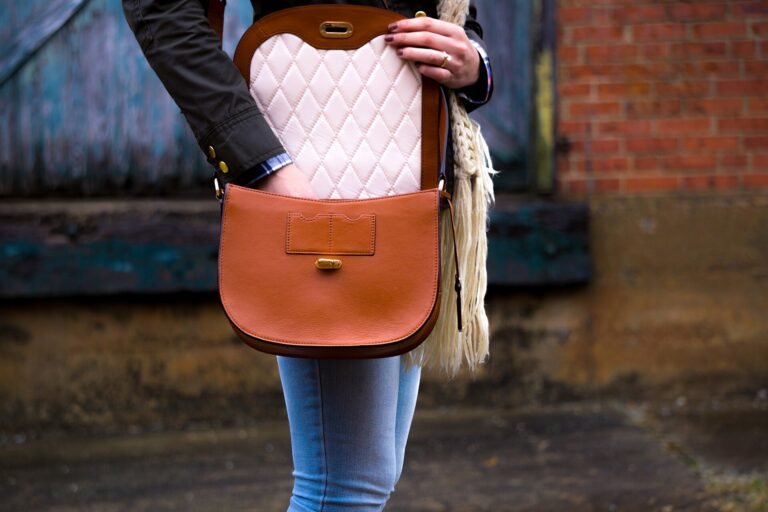
- A structured leather bag without obvious logos
- Pearls, gold hoops or a slim vintage watch
- A silk scarf, worn at the neck, on a bag or in the hair
For Men
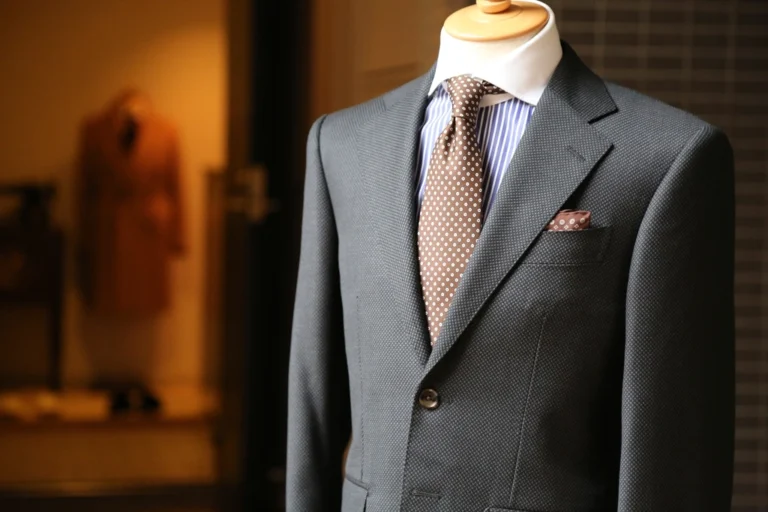
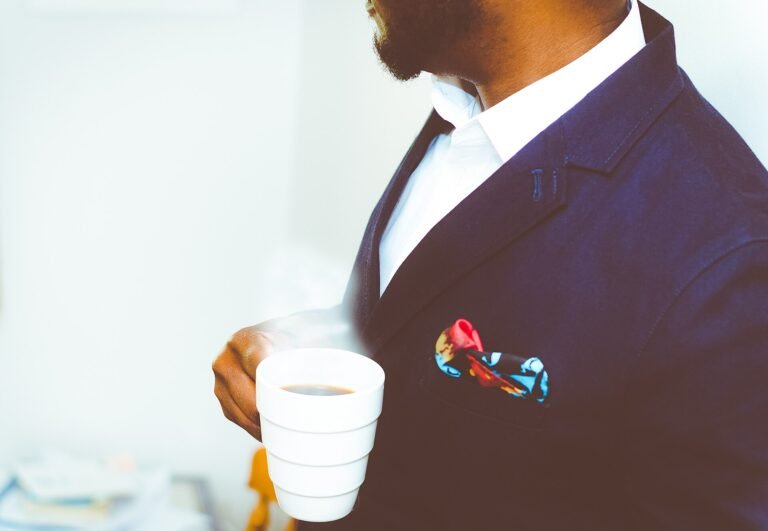
- A navy blazer with natural shoulders
- Oxford cloth button-down shirts
- Chinos in khaki, stone and navy
- Grey flannel trousers
- Shetland and cable-knit sweaters
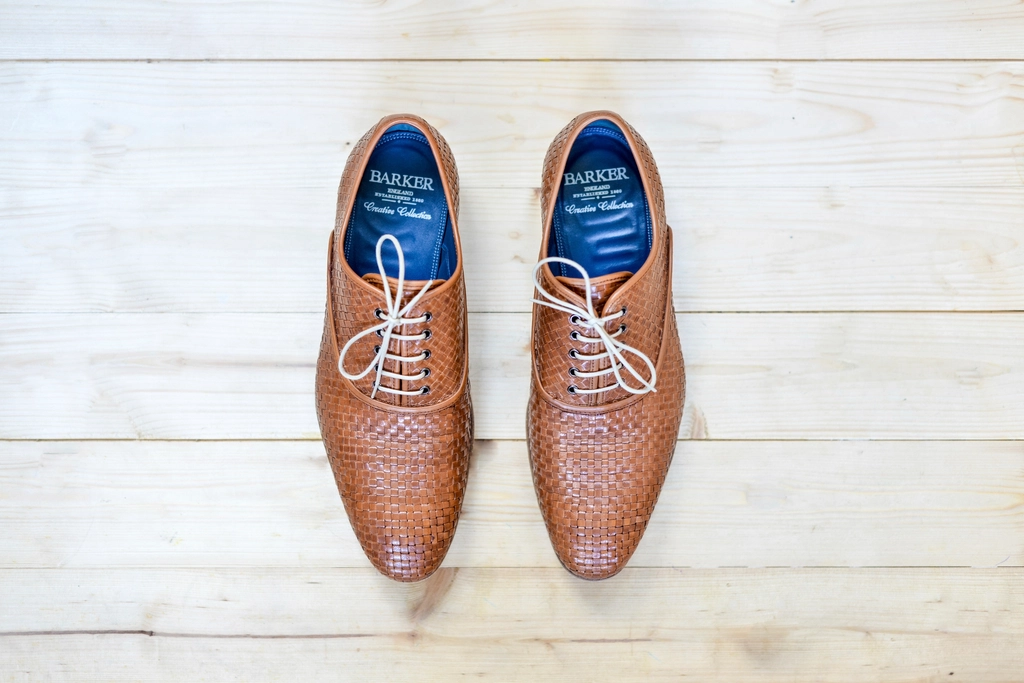
- Penny loafers and suede chukka boots
- A tweed jacket for the country
- A simple mechanical watch on leather or a fabric strap
- Polo shirts and tennis whites for summer
The Color Palette
The palette is natural and calm: navy, cream, white, camel, grey, olive, burgundy and forest green. Pattern exists but is traditional: Oxford stripes, tartan, houndstooth, herringbone, small repeating ties.
What you rarely see is anything neon, glossy or obviously synthetic.
Fabrics Matter More Than Labels
If there is one secret to the old money look, it is fabric. Wool, cashmere, cotton, linen, silk, tweed and good leather all age gracefully. They soften, fade slightly and gain character.
This is why genuinely old money wardrobes often look a little worn. A frayed Oxford collar, a re-heeled loafer, a sweater with an elbow patch. The aesthetic celebrates use, not newness.
Accessories: Small, Old and Personal
Accessories carry much of the story:
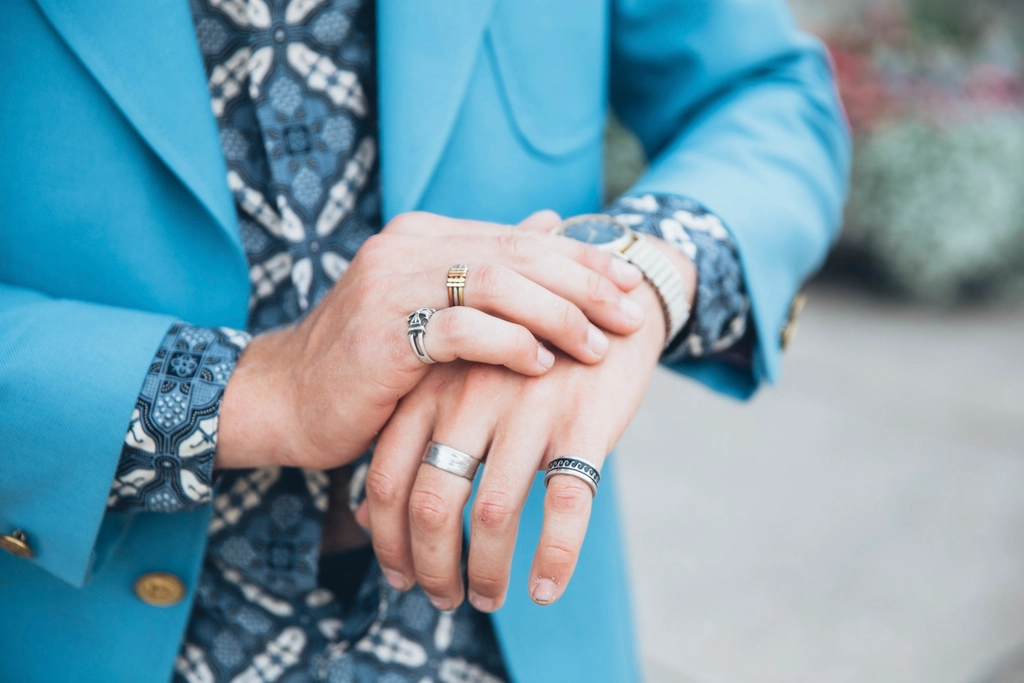
- A watch that is classic, modest in size and often inherited. If you are choosing your first, see our guide to entry-level luxury watches.
- Signet rings, simple gold jewelry, pearls
- Leather belts that match shoes
- Canvas and leather tote bags
- Tortoiseshell sunglasses
The rule is simple: if it shouts, it does not belong.
How to Get the Old Money Look Without Looking Like a Costume
The internet version of this style can easily become a uniform. To make it feel real:
- Start with fit. A well-fitted inexpensive blazer looks better than a poorly fitted expensive one. A tailor is your best investment.
- Buy fewer, better pieces. Five excellent items worn often beat twenty trend-driven ones.
- Shop vintage and secondhand. Older pieces in natural fabrics are often better made and already have the right lived-in look.
- Let things age. Do not panic about softened collars or a little wear on leather.
- Add one personal touch. A grandfather’s watch, an unusual scarf, a favorite pair of boots. Real wardrobes have history.
- Dress for the setting. The old money instinct is to be appropriate, not to stand out.
Brands Often Associated With the Look
You do not need a single designer piece to dress this way, but certain brands are frequently mentioned:
- Heritage and classic: Ralph Lauren, Brooks Brothers, Barbour, J.Press
- Luxury and understated: Loro Piana, Brunello Cucinelli, Hermès, Max Mara
- Footwear: Church’s, Crockett & Jones, J.M. Weston, Tod’s
- Accessible options: J.Crew, COS, Massimo Dutti, Uniqlo for basics
For more labels in this spirit, see our list of quiet luxury brands.
The Mindset Behind the Look
The aesthetic is ultimately less about clothes than about attitude: not needing to impress, caring for what you own, valuing tradition, and putting comfort and appropriateness ahead of attention.
That mindset is available at any budget. It is also what makes the style last after the hashtag has faded.
Final Thoughts
The old money aesthetic works best when it stops being an aesthetic. Choose well-made pieces that fit, wear them often, repair them when needed, and let them collect your own history.
Do that, and you will not look like you are copying a moodboard. You will simply look well dressed, which was always the point.
Frequently Asked Questions
What is the old money aesthetic?
It is a style inspired by the traditional wardrobes of established wealthy families, focused on quality fabrics, classic shapes, muted colors and discreet, logo-free clothing.
What colors are old money?
Navy, cream, white, camel, grey, olive, burgundy and forest green, often with traditional patterns such as stripes, tweed and tartan.
Can you dress old money on a budget?
Yes. Focus on fit, natural fabrics and classic shapes, and shop vintage or secondhand. Tailoring an affordable piece can make a big difference.
What is the difference between old money and quiet luxury?
They overlap. Quiet luxury is a broader idea about understated quality, while the old money aesthetic has a specific heritage rooted in preppy, country and Ivy League dressing.