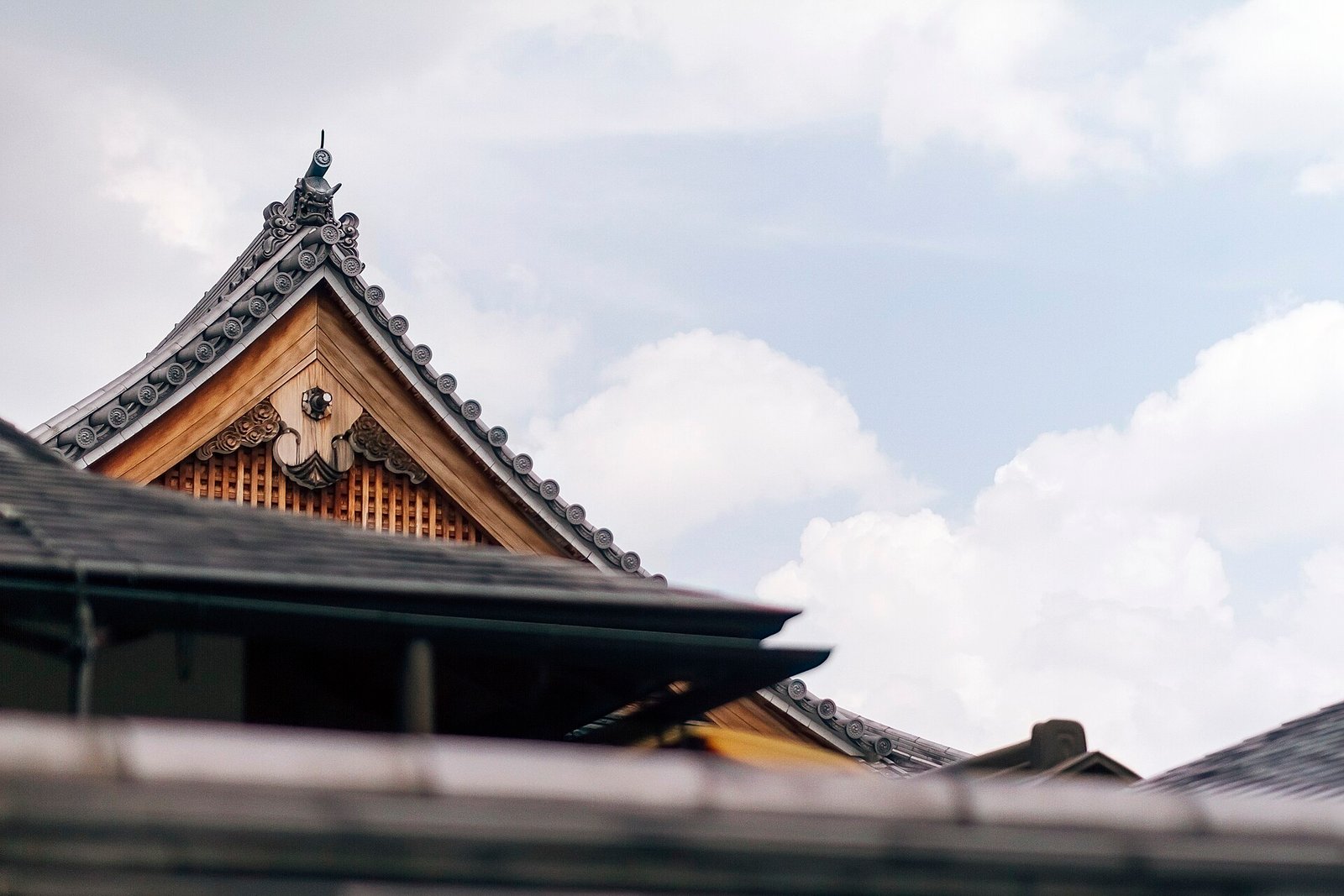
Luxury Travel in Japan: A First-Timer’s Guide
Few countries reward the luxury traveler like Japan. It offers some of the finest hotels and restaurants in the world, but its deepest pleasures are quieter: the hush of a temple garden at dawn, a perfectly served kaiseki dinner, a hot spring bath under falling snow, and a standard of care that runs through almost every interaction.
This guide to luxury travel in Japan is for first-time visitors who want to do it well. It covers where to go, where to stay, how to get around and the experiences that make a trip truly memorable.
Why Luxury Travel in Japan Is So Rewarding
Japan fits the modern idea of luxury almost perfectly. It is not about display. It is about craft, attention and experience. The Japanese concept of omotenashi, a deeply attentive style of hospitality that anticipates what a guest needs, shapes everything from hotel service to the way a shop wraps a purchase.
It is the same shift we describe in what modern luxury means today: value that comes from quality and meaning rather than spectacle.
A Classic First Itinerary (10 to 14 Days)
Tokyo: 4 nights
Start in Tokyo, a city that is both enormous and surprisingly calm. Explore neighborhoods rather than sights: Ginza for department stores and craft shops, Omotesando for architecture and fashion, Daikanyama for quiet streets and independent boutiques, and Asakusa for Senso-ji temple. Tokyo also has an extraordinary restaurant scene, from sushi counters with a handful of seats to tempura and kaiseki specialists.
Hakone or the Japanese Alps: 1 to 2 nights
Leave the city for a night at a ryokan, a traditional inn with hot spring baths. Hakone is the classic choice from Tokyo, with views of Mount Fuji on clear days. For something more remote, consider the Japanese Alps around Takayama or Kanazawa.
Kyoto: 4 nights
Kyoto was Japan’s imperial capital for more than a thousand years and remains its cultural heart, with a vast number of temples, shrines and gardens. Visit the most famous sites early in the morning to avoid crowds, then spend afternoons in quieter places: a moss garden, a tea house or a craft workshop.
Optional: Naoshima or Osaka
Art lovers can add the island of Naoshima, home to museums by architect Tadao Ando. Food lovers may prefer a night in Osaka, Japan’s great street-food city.
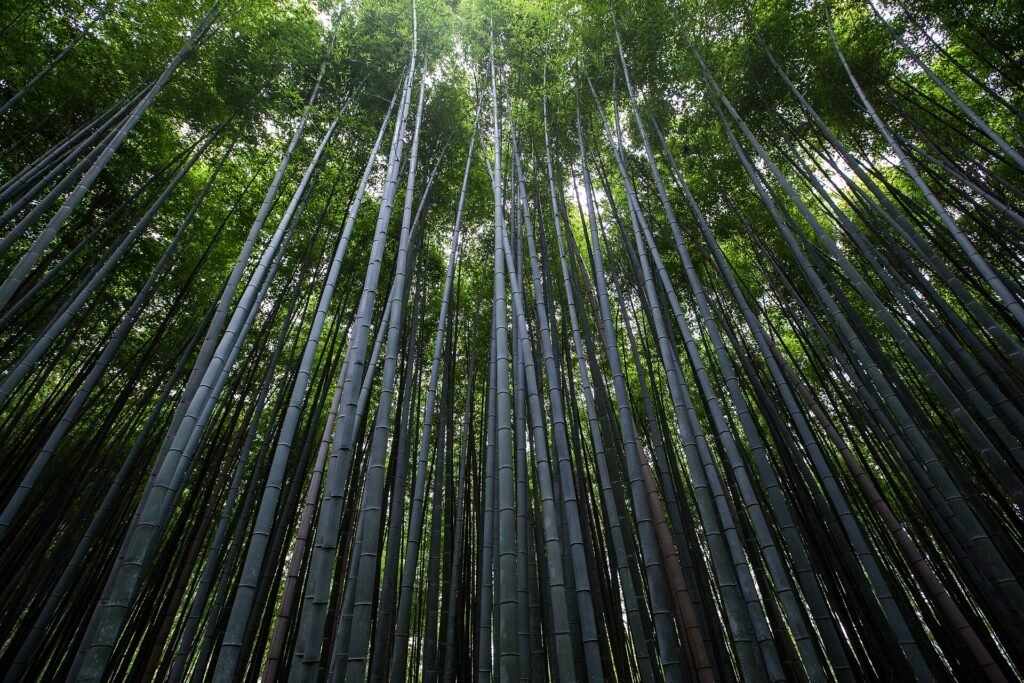
Where to Stay: Hotels and Ryokan
A luxury trip to Japan works best when it combines two styles of accommodation.
International luxury hotels
Tokyo and Kyoto have many outstanding luxury hotels, often on the upper floors of towers in Tokyo, with city views, excellent spas and impeccable service. They are ideal for the first nights, when you want comfort and a concierge to help with restaurant bookings.
Ryokan
A ryokan is a traditional Japanese inn, and staying in a high-end one is one of the defining luxury experiences in Japan. Expect:
- Tatami-floored rooms and futon bedding
- A yukata (light cotton robe) to wear around the inn
- Hot spring baths (onsen), sometimes private to your room
- A multi-course kaiseki dinner served in your room or a private dining room
- A traditional Japanese breakfast
One or two nights is usually perfect. It is less about doing and more about slowing down, which is why ryokan stays pair beautifully with the idea of slow travel.
Experiences Worth Planning
- Kaiseki dining: a seasonal multi-course meal built around presentation and local ingredients
- An omakase sushi counter: let the chef choose, course by course
- A private tea ceremony in Kyoto
- A temple stay or early morning meditation
- Craft visits: lacquerware, ceramics, textiles or knife-making workshops
- Onsen bathing in a mountain or countryside setting
- Cherry blossom or autumn leaf viewing in spring and late autumn
Private guides are especially valuable in Japan. A good guide can arrange access to workshops, explain etiquette and help you discover places you would never find alone.
Getting Around in Comfort
Japan’s rail network is famous for being fast, clean and punctual. For a more comfortable journey on the Shinkansen (bullet train), book the Green Car, the first-class carriage, or the even more exclusive Gran Class on some northern routes.
Travel light if you can. Japan’s luggage forwarding services (often called takkyubin) can send suitcases between hotels, usually arriving the next day, so you can take the train with just a small bag.
Within cities, taxis are clean and reliable, and private drivers can be arranged through hotels.
When to Go
| Season | Months | What to expect |
|---|---|---|
| Spring | Late March to April | Cherry blossoms; very popular, book early |
| Early summer | May to June | Green landscapes; rainy season from June |
| Summer | July to August | Hot and humid; festivals |
| Autumn | October to November | Autumn leaves, comfortable weather |
| Winter | December to February | Quieter cities, snow in the north, skiing |
For many travelers, autumn and spring are ideal. If you love skiing, Hokkaido is world-famous for powder snow, which we cover in our guide to luxury ski resorts.
Etiquette Tips for First-Time Visitors
- Remove your shoes when entering homes, ryokan and some restaurants.
- In onsen, wash thoroughly before entering the bath, and do not put towels in the water. Some baths do not allow visible tattoos, so check in advance.
- Tipping is not customary in Japan and can cause confusion.
- Keep voices low on trains and in temples.
- Ask before photographing people, and respect signs that prohibit photography.
Final Thoughts
The most luxurious way to experience Japan is not to rush from sight to sight. It is to stay longer in fewer places, eat well, sleep at least one night in a ryokan and let the country’s attention to detail work on you.
Plan the big things early, especially in cherry blossom and autumn seasons, and leave room in each day for the small discoveries that make Japan unforgettable.
Frequently Asked Questions
How many days do you need for a luxury trip to Japan?
Ten to fourteen days is ideal for a first visit, allowing time in Tokyo, a ryokan night and several days in Kyoto.
Is a ryokan worth it?
Yes, at least for one or two nights. A high-end ryokan with an onsen and kaiseki dinner is one of the most distinctive experiences in Japan.
What is the best time for luxury travel in Japan?
Spring (cherry blossom) and autumn (fall colors) are the most popular seasons. Both need early booking.
Do you tip in Japan?
No. Tipping is not part of Japanese culture, and excellent service is considered standard.