Stargazing Hotels and Dark Sky Destinations Worth Traveling For
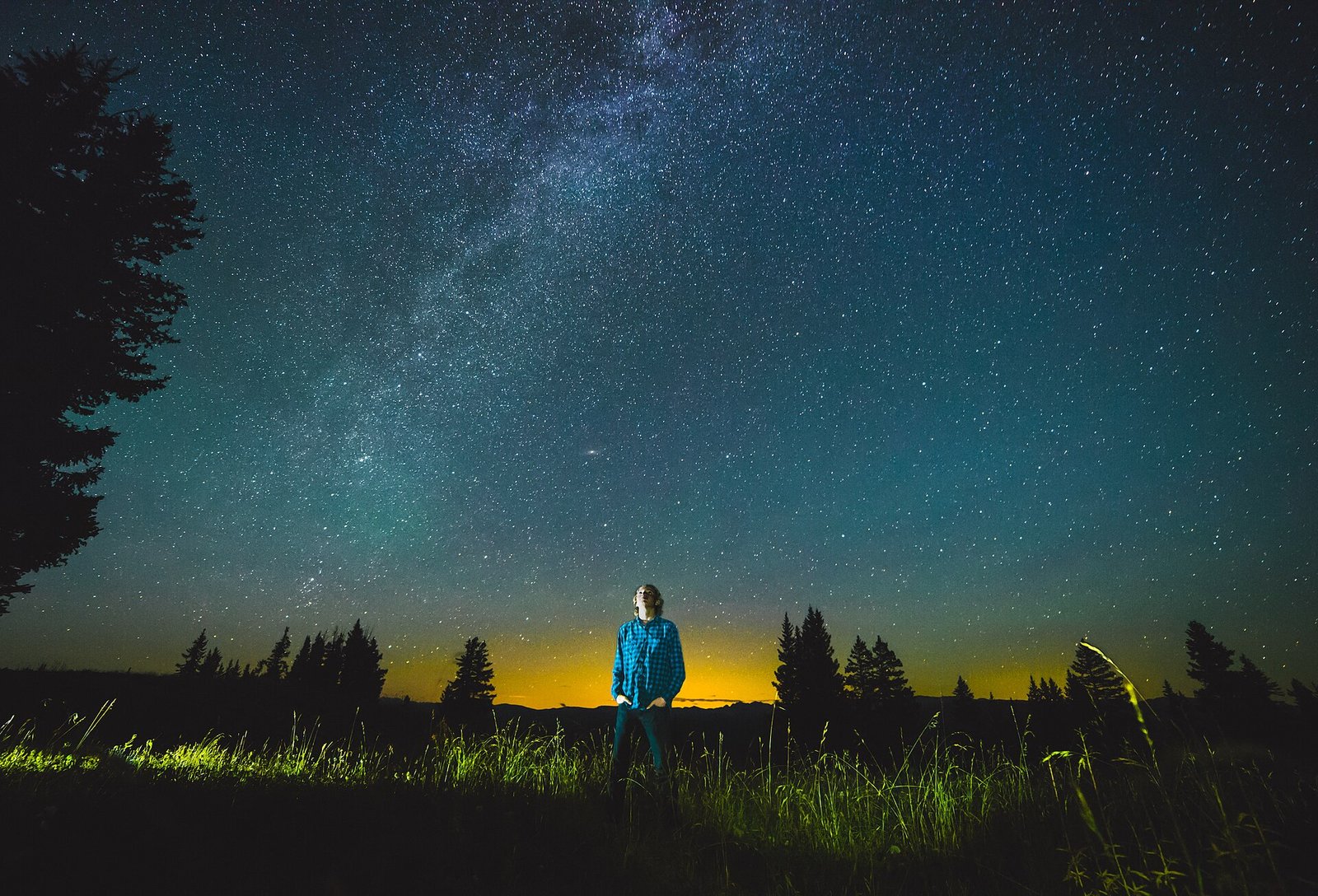
Most of us now live under skies so bright that we see only a handful of stars. That is exactly why a truly dark night has become one of travel’s rarest pleasures. Lying back under the Milky Way, far from city glow, is the kind of experience that money alone cannot manufacture. It needs the right place, and increasingly, the right hotel. The best stargazing hotels are built around the sky itself.
This guide to stargazing hotels and dark sky destinations covers the best places in the world to see the night sky, what kind of stays to look for, and how to plan a trip around the stars.
Why Stargazing Travel Is Growing
Light pollution has made a dark sky a scarce resource. Organizations such as DarkSky International (formerly the International Dark-Sky Association) now certify dark sky parks, reserves and communities around the world, and many hotels and lodges have built experiences around them: rooftop telescopes, resident astronomers, open-air beds and glass-roofed rooms.
It fits a wider shift in luxury travel toward experiences that are personal, rare and difficult to reproduce. A night sky full of stars is all three.
What to Look For in Stargazing Hotels
- Location inside or near a certified dark sky area
- High altitude and dry air, which make the sky clearer
- On-site telescopes or an observatory
- Guided astronomy sessions with an expert
- Rooms designed for the sky: glass roofs, skylights, private terraces or outdoor beds
- Minimal outdoor lighting at the property itself
The Best Places in the World for Stargazing
Atacama Desert, Chile
The Atacama is one of the driest places on earth, and its clear, high-altitude skies are why some of the world’s most important observatories are located in northern Chile. Around San Pedro de Atacama, several luxury lodges offer astronomy programs, combining desert excursions by day with stargazing by night.
Best for: serious stargazers and dramatic landscapes.
NamibRand Nature Reserve, Namibia
NamibRand was one of the first places to be named an International Dark Sky Reserve. Desert lodges in and around the reserve offer some of the darkest skies in Africa, often paired with views of red dunes and remarkable silence.
Best for: combining safari-style travel with exceptional night skies.
Aoraki Mackenzie, New Zealand
The Aoraki Mackenzie International Dark Sky Reserve, around Lake Tekapo on the South Island, protects a vast area of night sky beneath the Southern Alps. Southern-hemisphere stargazing means views of the Magellanic Clouds and the Southern Cross.
Best for: southern skies and alpine scenery.
Finnish Lapland
In Finnish Lapland, glass-roofed igloos and cabins let guests watch for the Northern Lights from bed during the darker months. Aurora sightings depend on solar activity and clear weather, so longer stays improve your chances.
Best for: the Northern Lights and winter magic.
La Palma, Canary Islands, Spain
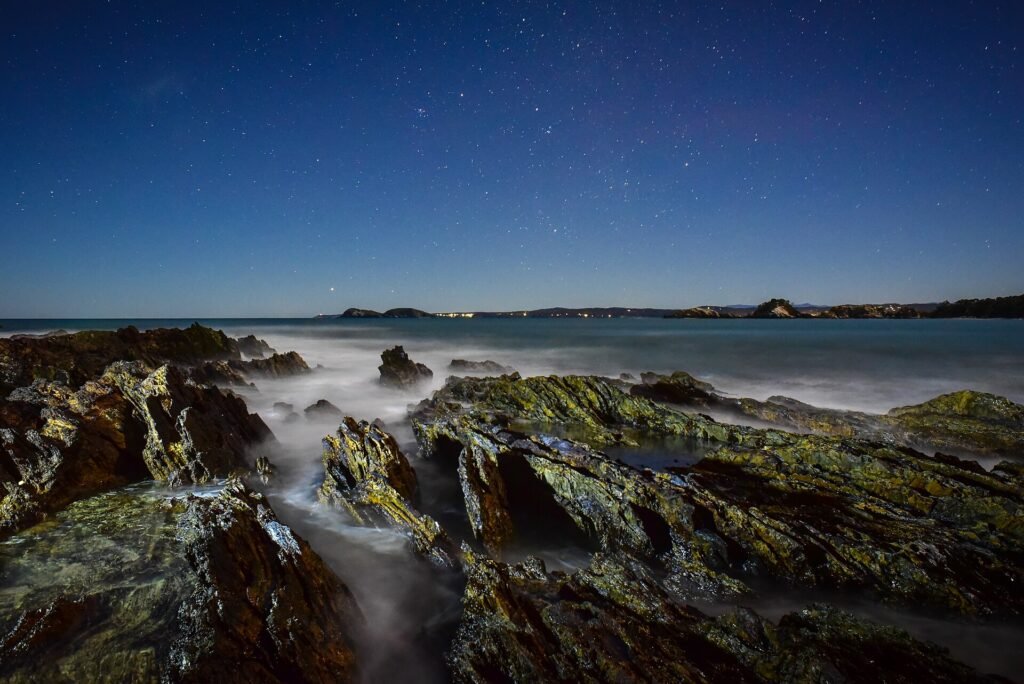
La Palma has strict laws to protect its night sky and is home to a major astronomical observatory at Roque de los Muchachos. Its mild climate makes it a comfortable year-round stargazing destination in Europe.
Best for: European stargazing with easy access.
The American Southwest
Utah and Arizona have many certified dark sky places, including national parks and monuments. Luxury resorts in the desert regions of both states increasingly offer astronomy programs alongside hiking, spas and canyon landscapes.
Best for: road trips, national parks and desert resorts.
Jasper National Park, Canada
Jasper is one of the largest dark sky preserves in the world and hosts an annual dark sky festival. Mountain lodges make it a beautiful base for autumn and winter stargazing.
Best for: mountain lodges and wilderness.
Stargazing Destinations at a Glance
| Destination | Highlight | Best time |
|---|---|---|
| Atacama, Chile | Very dry, high-altitude skies | Most of the year |
| NamibRand, Namibia | Dark sky reserve with desert lodges | Dry season, roughly May to October |
| Aoraki Mackenzie, New Zealand | Southern hemisphere skies | Autumn and winter (March to September) |
| Finnish Lapland | Northern Lights | Roughly September to March |
| La Palma, Spain | Protected skies, observatory | Year-round |
| American Southwest | Dark sky parks, desert resorts | Spring and autumn |
| Jasper, Canada | Mountain dark sky preserve | Autumn and winter |
How to Plan a Stargazing Trip
- Check the moon. Plan around the new moon, when the sky is darkest. A full moon can wash out all but the brightest stars.
- Watch the weather. Clear skies matter more than anything. Build in extra nights for flexibility.
- Choose the season carefully. The Milky Way’s bright core is best seen at certain times of year, and auroras need long, dark nights.
- Book a guided session. An astronomer makes the sky readable, pointing out planets, nebulae and constellations you would never find alone.
- Bring warm clothes. Deserts and mountains get cold at night, even after hot days.
- Let your eyes adjust. It takes around 20 to 30 minutes for your eyes to fully adapt to the dark, so avoid bright screens.
Final Thoughts
The best stargazing hotels offer something that is becoming genuinely scarce: darkness, silence and time to look up. It is a reminder that some of the most memorable luxuries are not things at all, but experiences that stay with you.
Choose a place with clear skies, plan around the new moon and give yourself a few nights. The universe will do the rest.
Frequently Asked Questions
Where is the best place in the world for stargazing?
The Atacama Desert in Chile is often considered the best, thanks to its very dry, high-altitude air. NamibRand in Namibia and Aoraki Mackenzie in New Zealand are also outstanding.
What is a dark sky reserve?
It is an area certified for its exceptionally dark night sky and protected against light pollution, usually with a darker core zone and a surrounding buffer.
When is the best time to go stargazing?
Around the new moon, on clear nights, and well away from city lights. Seasons vary by destination.
Can you see the Northern Lights from a hotel bed?
Yes, in places like Finnish Lapland some hotels offer glass-roofed rooms, although sightings depend on solar activity and clear skies.